
Let's Talk: How We Speak About Food and Obesity
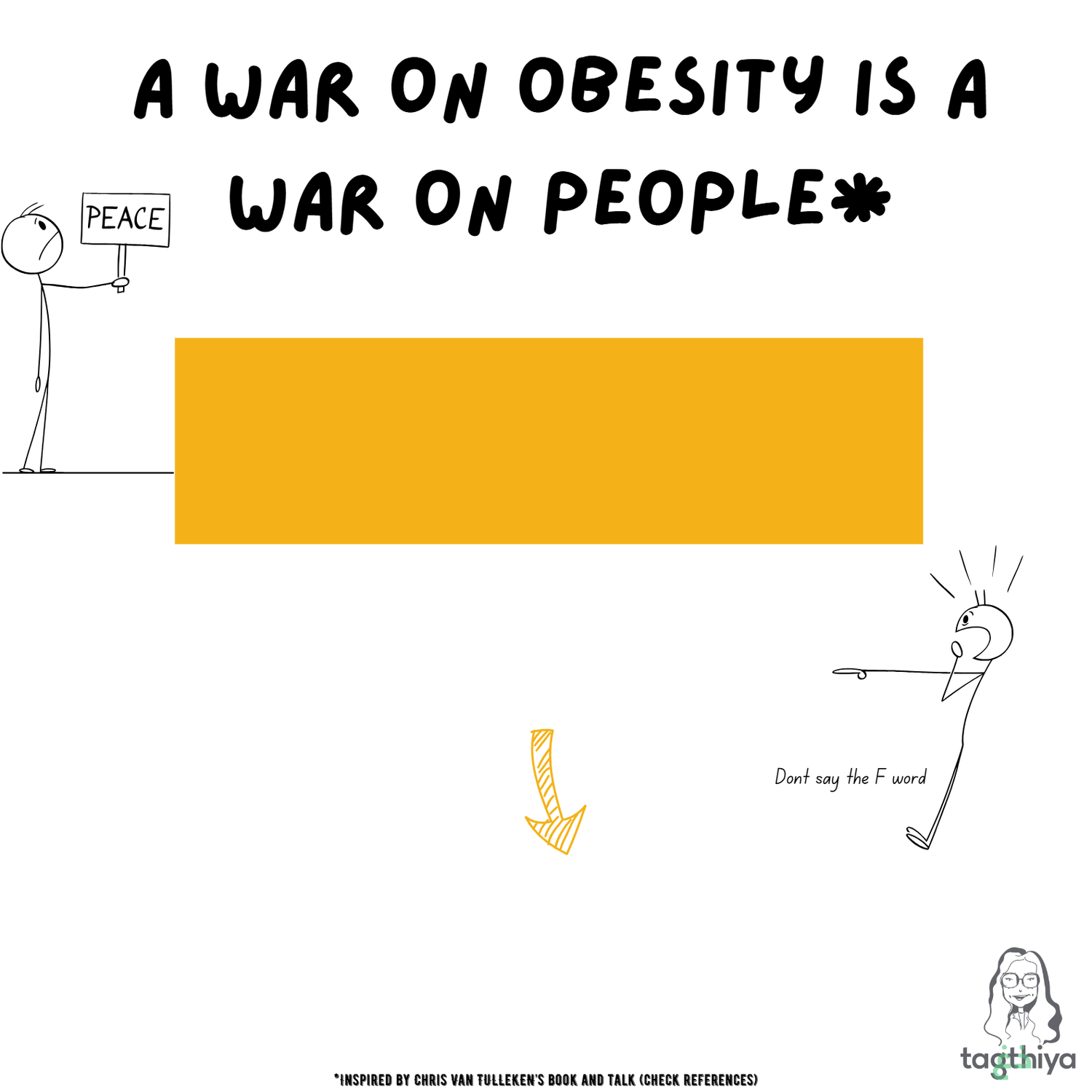
A war on obesity is a war on people*
In other words, there is no particular language to talk about obesity in a sensitive way.
And.... if we are not so careful about this a war on obesity will become a war on people.
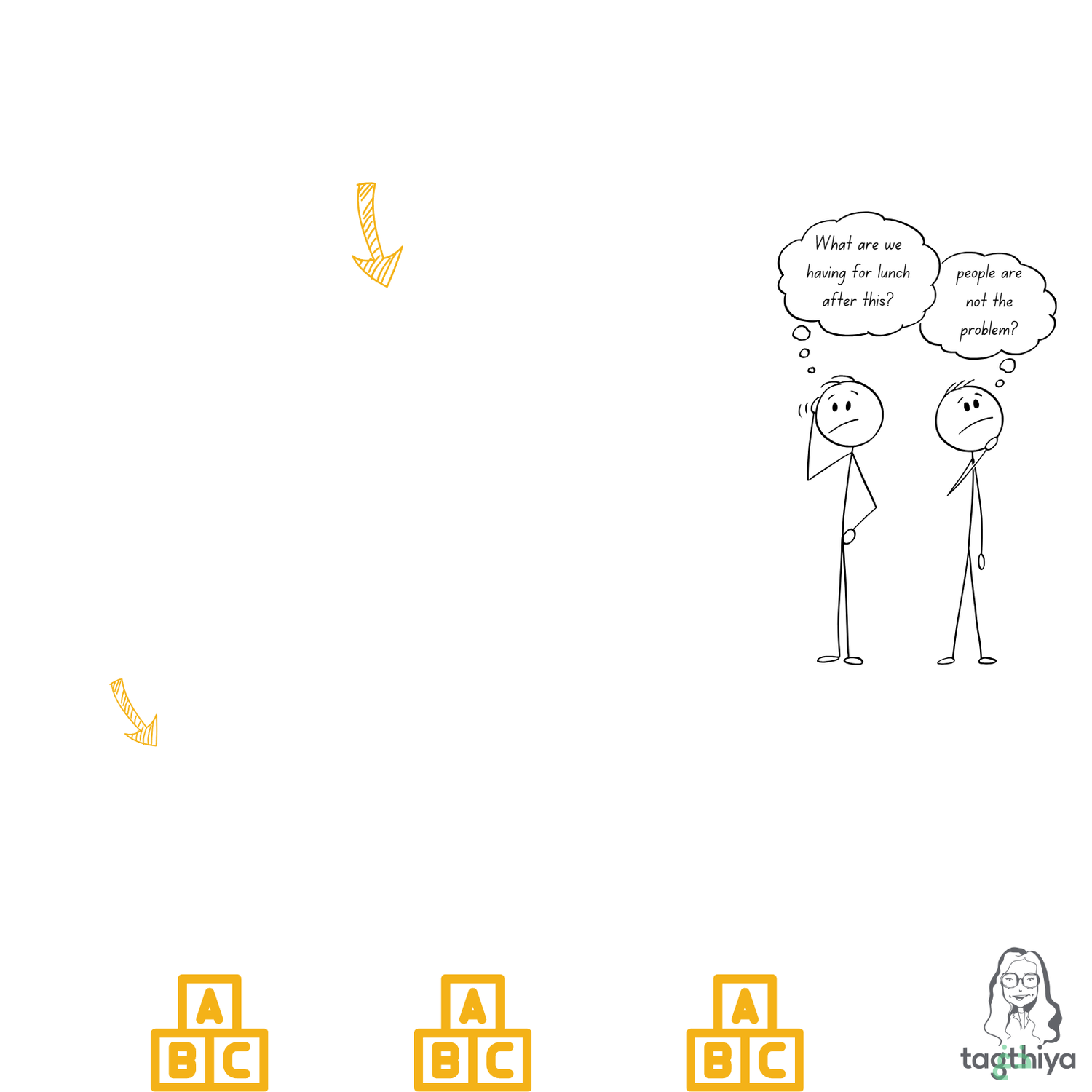
So, let’s talk about the fact that we tend to use the word “obesity” in its adjectival form, such as “people are obese” - as if it is an identity.
Then if food is the problem, people who eat junk food become the problem.
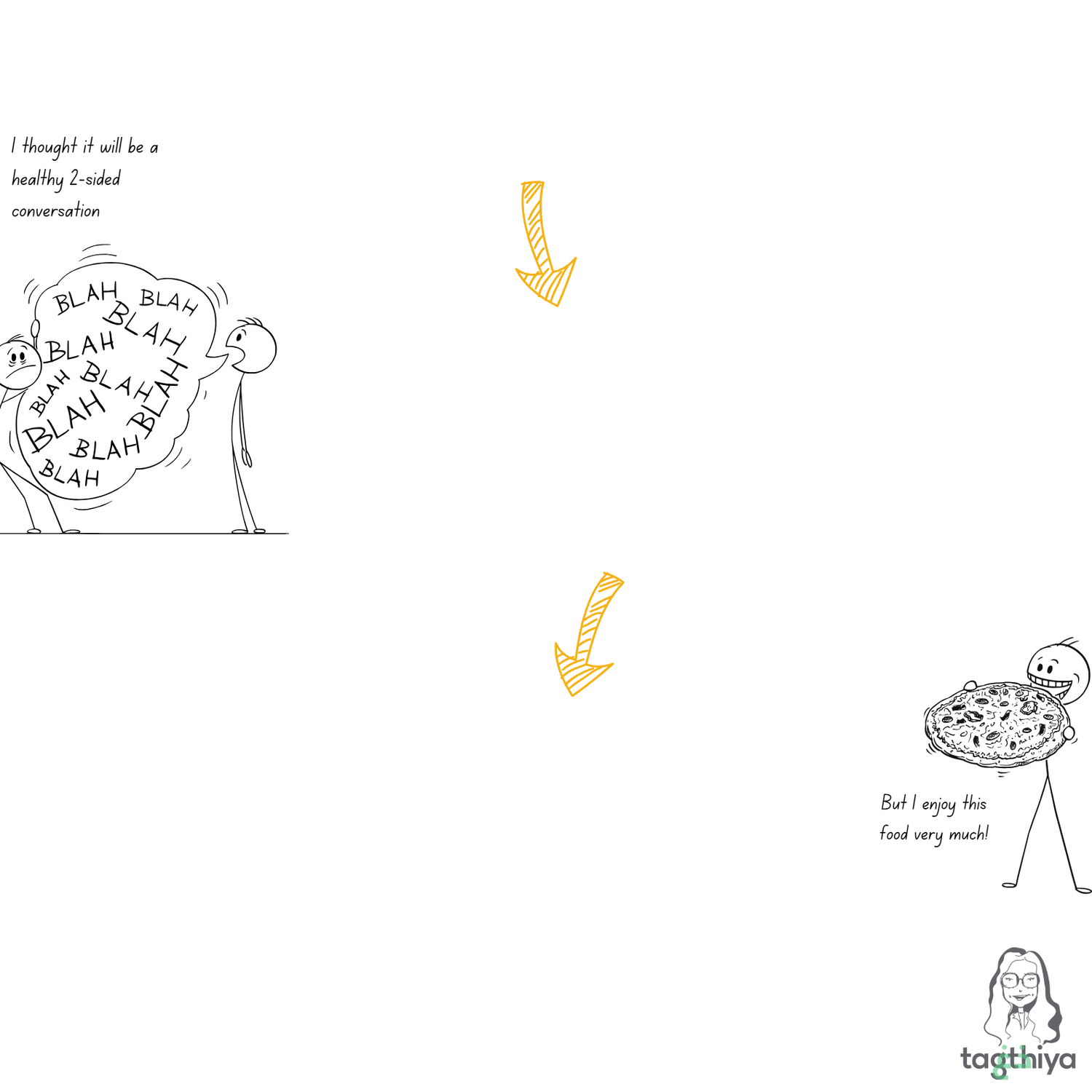
We need to shift our narrative to: people who live with obesity instead of obese people.
So why are we having this discussion?
Because in recent years poor diet has overtaken tobacco as the leading cause of early death globally.
The rise of industrially produced subtances is leading to a pandemic of diet-related diseases.
These substances are known as Ultra-processed foods (UPFs) or Ultra-processed products (UPPs).
An easy way to identiffy ultra-processed food is if you see a package containing an ingredient not found in a typical kitchen.
Now the rise in diet-related diseases is beyond individuals.
This is largely driven by profit motives.
Take a look at the food products nowadays, you will see most health claims are on UPFs. There is also a lot of marketing that the product is really “healthy”
The mentality now is that the only thing you can make a lot of money out of is branded products.
There is no money on broccoli/eggs etc. so you do not see any health claim on such food.

“Ta ذغ iya” by Sarah Zahr
Stay tuned for the second part of this series on UPFs!
Murray, C. J. (2019). Health effects of dietary risks in 195 countries, 1990–2017: a systematic analysis forthe Global Burden of Disease Study. Lancet, 393(10184), 1958-72.
ULTRA-PROCESSED PEOPLE: The Science Behind Food That Isn’t Food, by Chris van Tulleken