Addicted to the Bottle: Formula Milk Marketing
The Formula Attack: Marketing & Manipulation
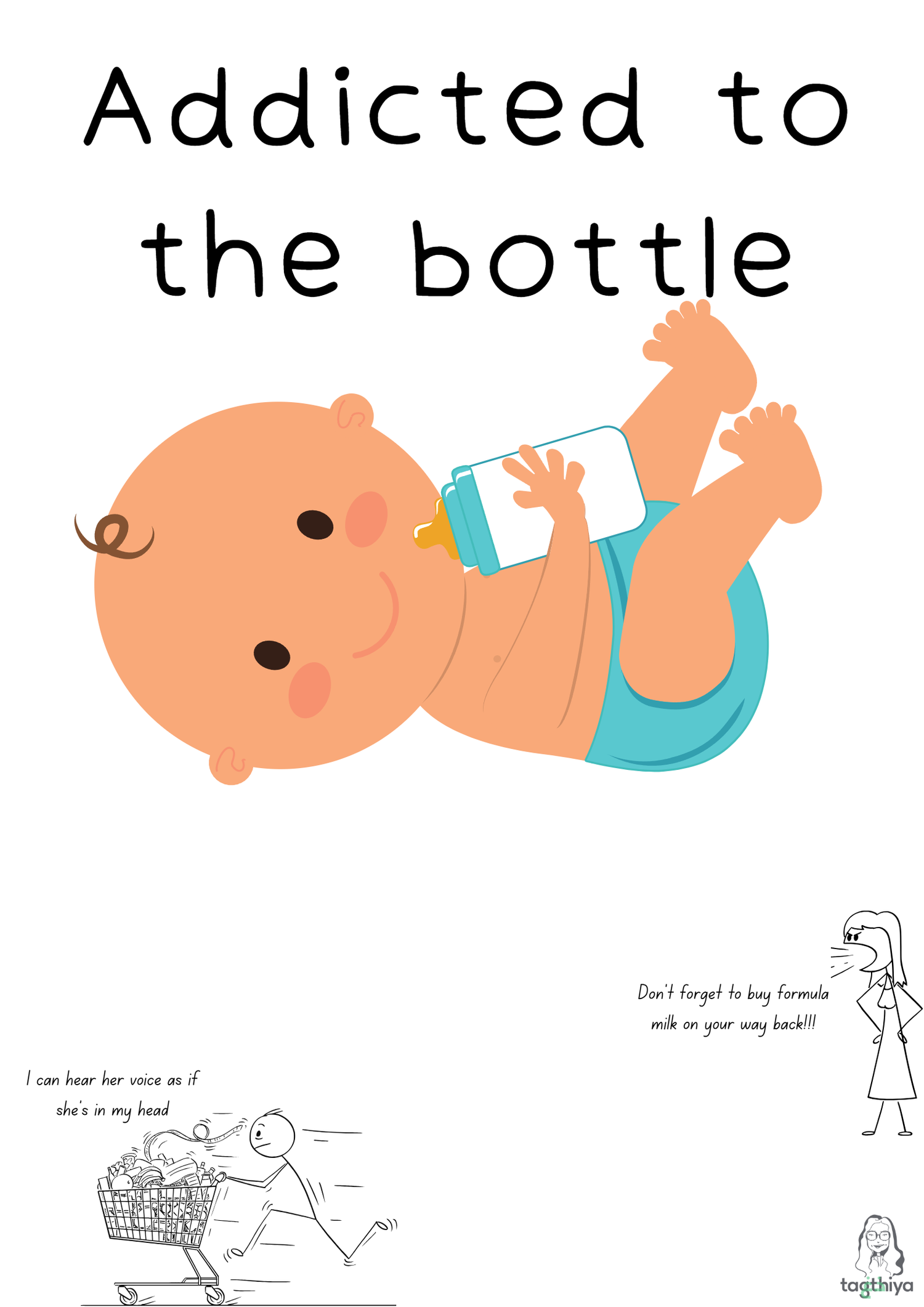
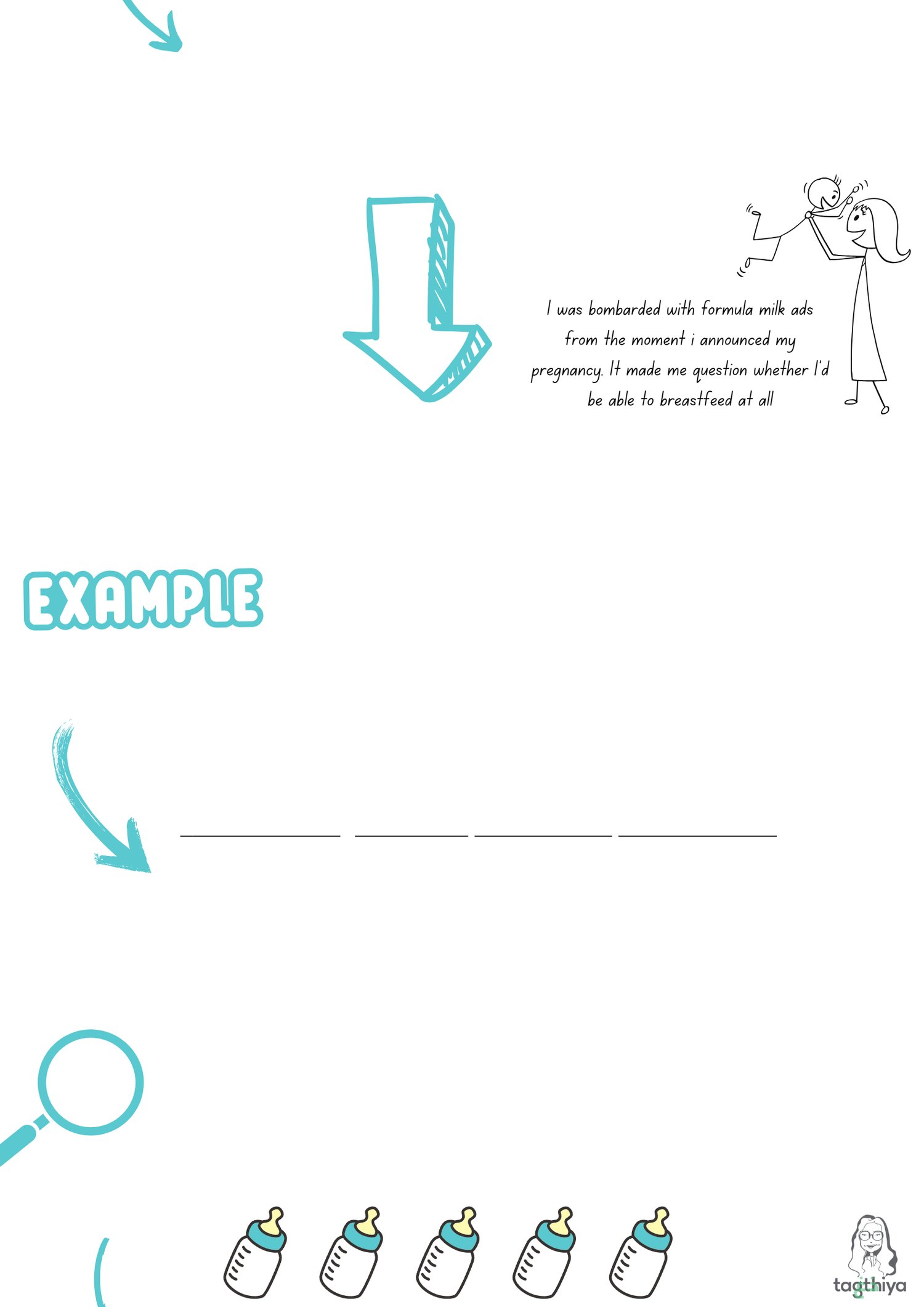
Baby formula companies are coming into play. Their advertisements usually feature images of happy, healthy babies alongside slogans that suggest formula milk is just as beneficial as breastmilk. Also, formula milk companies engage in direct marketing practices, such as distributing free samples to new mothers in hospitals.
When did the general public realize this was a problem?
In the 1970s, there was a global recognition that unregulated marketing and inappropriate use of infant formula contributed to an alarming decline in breastfeeding and widespread infant malnutrition.
In response to this decline, the International Code of Marketing of Breast-Milk Substitutes was adopted by the World Health Assembly (WHA).
Forty years after the adoption of the Code, the problems of both rampant marketing and malnutrition persist!
U.S. officials have challenged baby formula regulations in more than half a dozen countries, sometimes after manufacturers complained.
T he U.S. has long used its diplomatic and political muscle to advance the interests of companies like Abbott, which makes Similac, and Mead Johnson, maker of Enfamil, while thwarting the efforts of developing countries to safeguard the health of their youngest children.
Taiwan , for example, changed a proposed formula labeling law after the U.S. objected to language that said, “Breastfed babies are the healthiest babies.” Taiwanese officials switched to wording the U.S. suggested in a 2022 letter: “ Breast milk is the best food for your baby.”

Although the change was subtle it makes a difference. The word ‘healthiest’ might carry more weight, which is why formula companies push back against it.
The formula industry’s intent is on making formula seem as good as or better than breastfeeding.
During COVID-19 pandemic, baby formula milk companies and distributors have directed their marketing activities to emphasize immunity and resilience .
In Vietnam, Colosbaby , a brestmilk substitute manufactured by Vitadairy, claimed the product can “boost immune system, prevent respiratory, and digestive infections caused by viruses and bacteria”, and help babies to “gain weight healthily, avoid constipation, sleep well and grow rapidly, and increase height”.

“Ta ذغ iya” by Sarah Zahr
At the end of the day, this $55 billion breastmilk substitute industry uses pervasive, personalised and powerful marketing strategies to target parents.
That is why we need to 1) recognize the scale and urgency of the problem, 2) legislate, regulate and enforce comprehensive mechanisms to prevent formula milk marketing, and 3) invest in mothers and families, divest from formula milk companies!
Sources
- Ching, C., Zambrano, P., Nguyen, T. T., Tharaney, M., Zafimanjaka, M. G., & Mathisen, R. (2021). Old tricks, new opportunities: how companies violate the international code of Marketing of Breast-Milk Substitutes and Undermine Maternal and child health during the COVID-19 pandemic. International journal of environmental research and public health, 18(5), 2381.
- The Biden Administration Says Its Trade Policy Puts People Over Corporations. Documents on Baby Formula Show Otherwise. ProPublica, 2024