Nanny-ing Citizens: The Nanny State Argument in Public Health
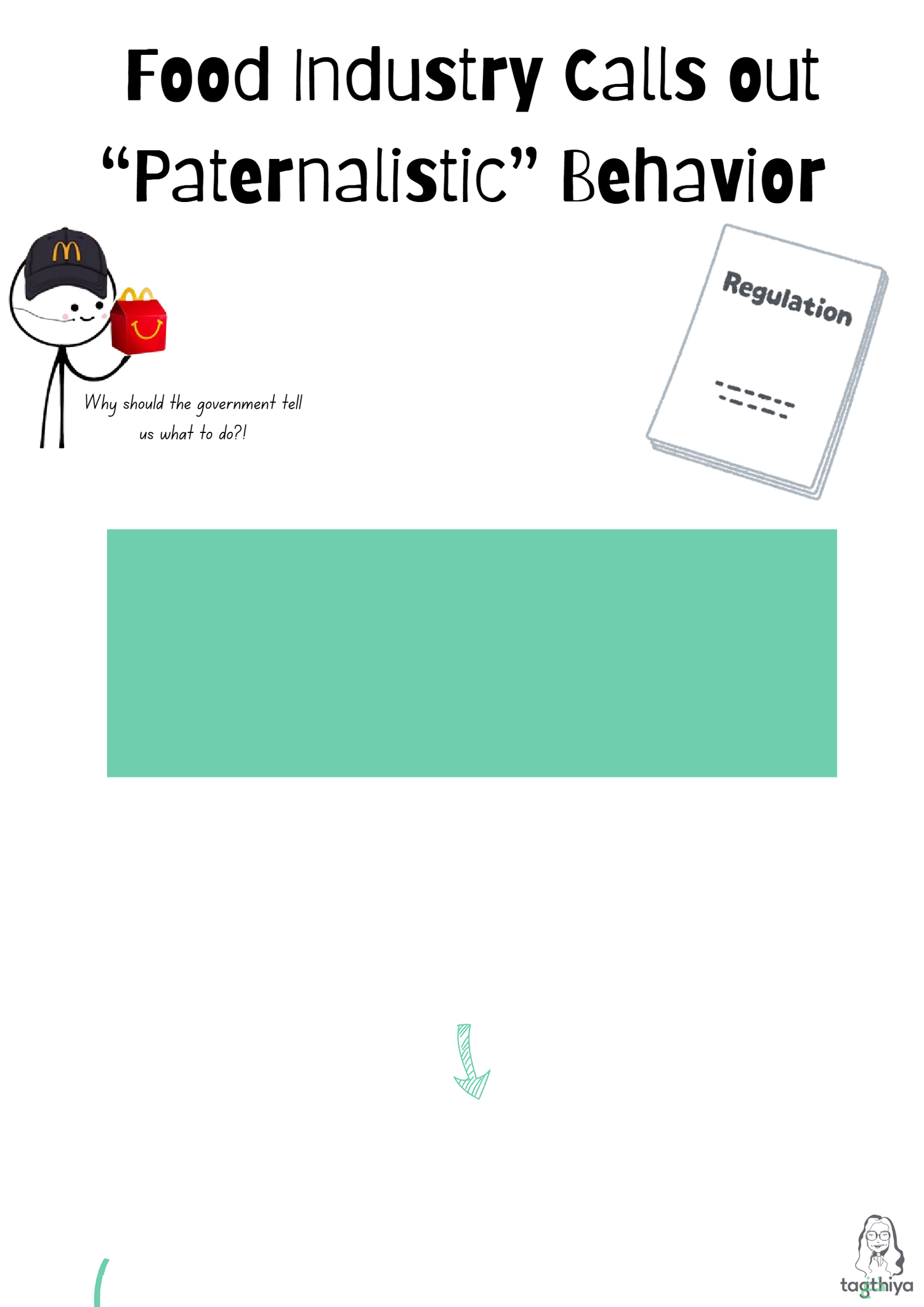
Food Industry Calls out “Paternalistic” Behavior
The rise of obesity is one of the most pressing public health challenges of our time. With its multifaceted implications for health, economy, and society, tackling obesity necessitates robust public health interventions. However, these interventions often spark debates around public health ethics and the concept of the "nanny state . "
Where did the concept of nanny state come from?
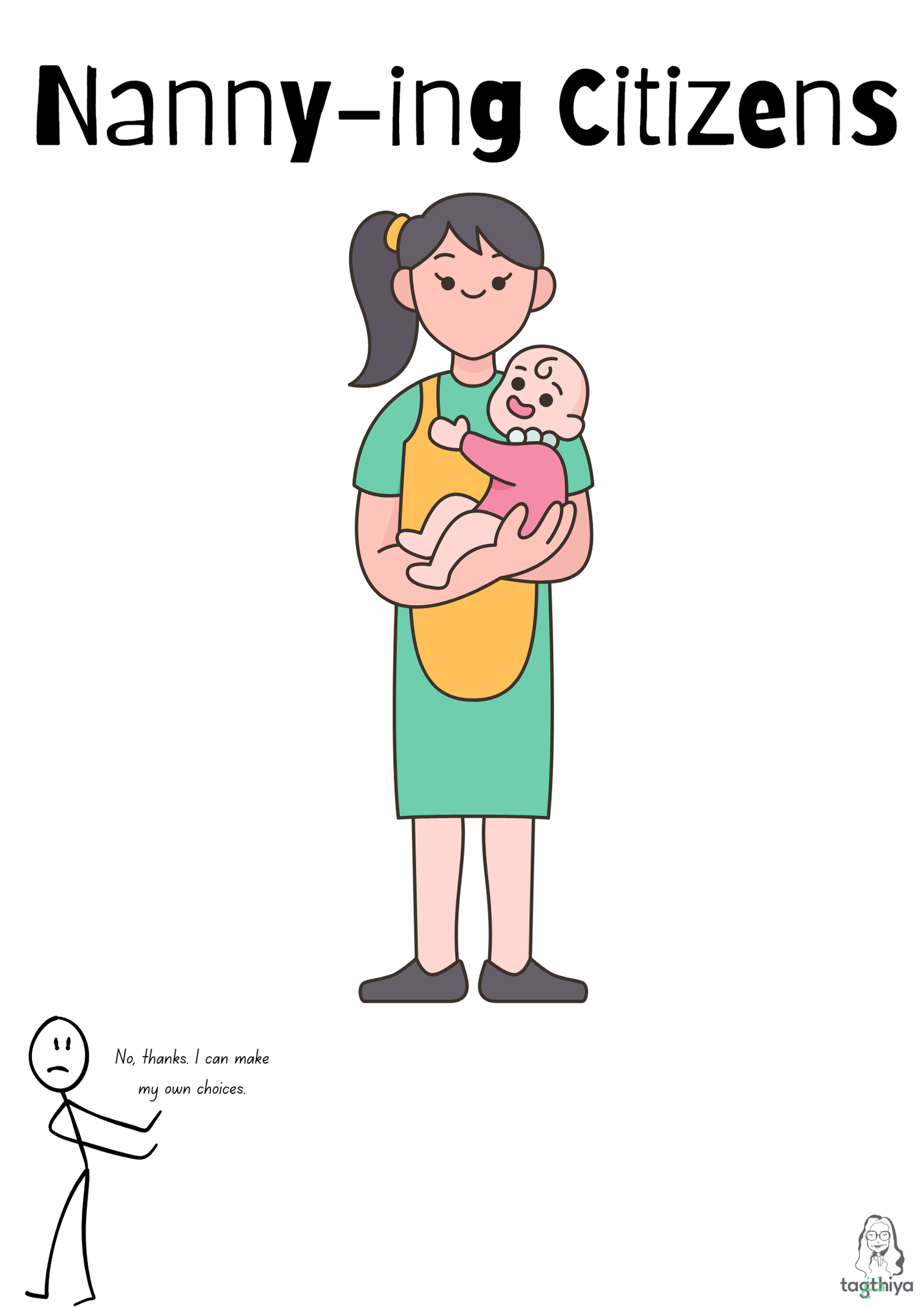
The term ‘nanny state’ is a rhetorical device meant to imply that a government is “treating competent adults as if they were children”.
Big Food Industry actors use the concept of the nanny state to their advantage, invoking images of governments stripping adults of their decision-making autonomy and removing ‘free choice’ from consumers.
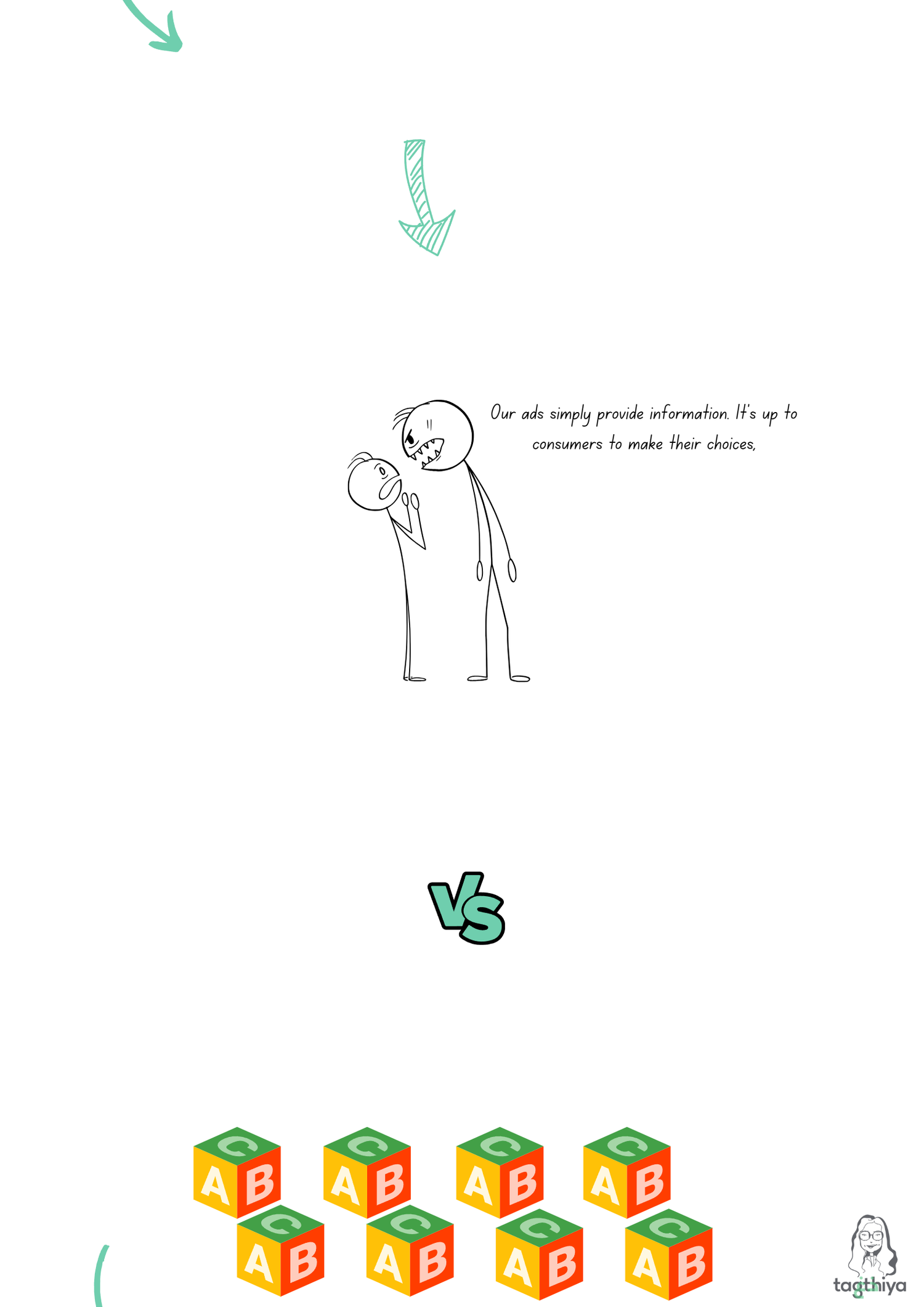
When governments intervene to restrict unhealthy food marketing or mandate nutritional labeling, they face accusations of paternalism.
it forces or coerces competent adults to behave in a way that is deemed to enhance their well-being
Government
Food industry
For example mandatory seatbelt or motorcycle helmet use are examples of hard paternalism, where the state uses the law to compel us to act in a certain way.
On the other hand there is a much “softer” paternalism, which nudges the individual rather than forcing them to make a particular choice, comes in for criticism.
When it comes to measures aimed at protecting children from the aggressive marketing of junk food, such as sugar taxes, marketing restrictions, and improved nutritional labeling, the food industry argues that these are "paternalistic measures that treat adults like children" and may have unintended consequences.
But the question is.....
How is it nannying to limit the exposure of children to junk food advertising on the one hand, but then not nannying on the other to encourage them to take more exercise?
From an ethical standpoint, governments have a responsibility to protect and promote the health of their citizens. This responsibility includes implementing measures to reduce obesity rates and improve public health outcomes.
Also, it is not surprising that some of these proposals, such as banning junk food marketing to children, encounter heavy opposition from the Big Food industry. This opposition, is one of the major hurdles that governments face in making regulations for obesity prevention.

“Ta ذغ iya” by Sarah Zahr
Government measures to limit potential public health harms arising from the consumption of unhealthy diets are not violations of individual liberty. On the contrary, governments are ethically obliged to make such interventions as they are necessary to protect the liberty of individuals who are being misinformed and manipulated by industry.
Steele, M., Mialon, M., Browne, S., Campbell, N., & Finucane, F. (2021). Obesity, public health ethics and the nanny state. Ethics, Medicine and Public Health, 19, 100724.