
A Love Story: How Ultra-Processed Foods Are Engineered to Be Addictive

* Between your brain & Ultra-processed food
This wasn’t love at first bite. It was engineering. Because ultra- processed foods are not just food. They are carefully designed products built to maximize reward, consumption and profit!
And like any well-designed relationship… They’re very good at keeping you coming back.
Ultra-processed foods:
deliver reinforcing ingredients quickly heighten sensory appeal and encourage repeated intake
So, how do the companies engineer addiction? Ultra-processed food companies follow a playbook, one that looks strikingly similar to tobacco. Four key points:
These foods are not accidentally app ealing. They are calibrated.
Too little sugar or fat not satisfying Too much unpleasant
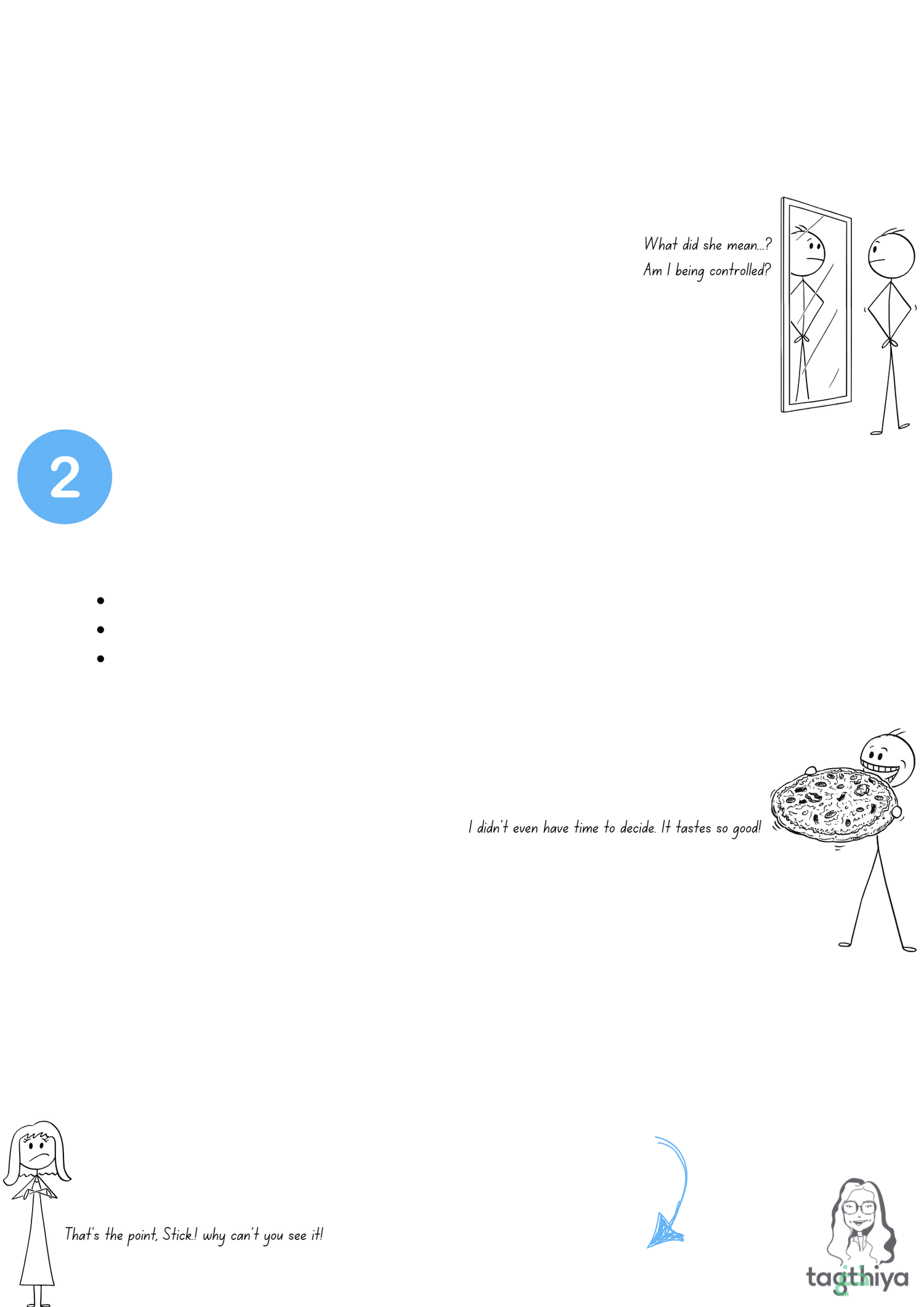
P roducts are engineered to hit a “just right” balance, maximizing pleasure while minimizing the chance of stopping.
This is known as 'dose optimisation ', a strategy also used in cigarette design to sustain use.
Another key feature: speed of delivery.
Ultra-processed foods are engineered to: break down quickly be easier to chew be rapidly absorbed
This accelerates how quickly sugar and fat reach the brain, strengthening reinforcement and increasing intake.
When the ingredients are combined, they produce a stronger, amplified response.
This combination, common in ultra-processed foods but rare in nature, can significantly increase the reinforcing effect and drive overconsumption.

The third feature is sensory engineering, making it impossible to ignore.
UPFs are designed to be irresistible, not just tasty.
Engineered. Flavors layered Textures optimized Additives enhancing every bite
Finally, ultra-processed foods are designed in a way to be ubiquitous, always available everywhere!
They are: Everywhere you go Always accessible Constantly marketed
Especially to children.
What happens in the brain?
At the center of this story is the brain’s mesolimbic dopamine system. This system incentivizes survival behaviors, like eating or social interaction, by triggering dopamine release, which signals the brain to repeat the behavior.
But ultra-processed foods exploit it because the ingredients in these products can trigger strong dopamine responses. And repeated exposure reinforces habits and drives compulsive intake.
Over time, cravings increase, control decreases, and consumption becomes automatic!
“Ta ذغ iya” by Sarah Zahr
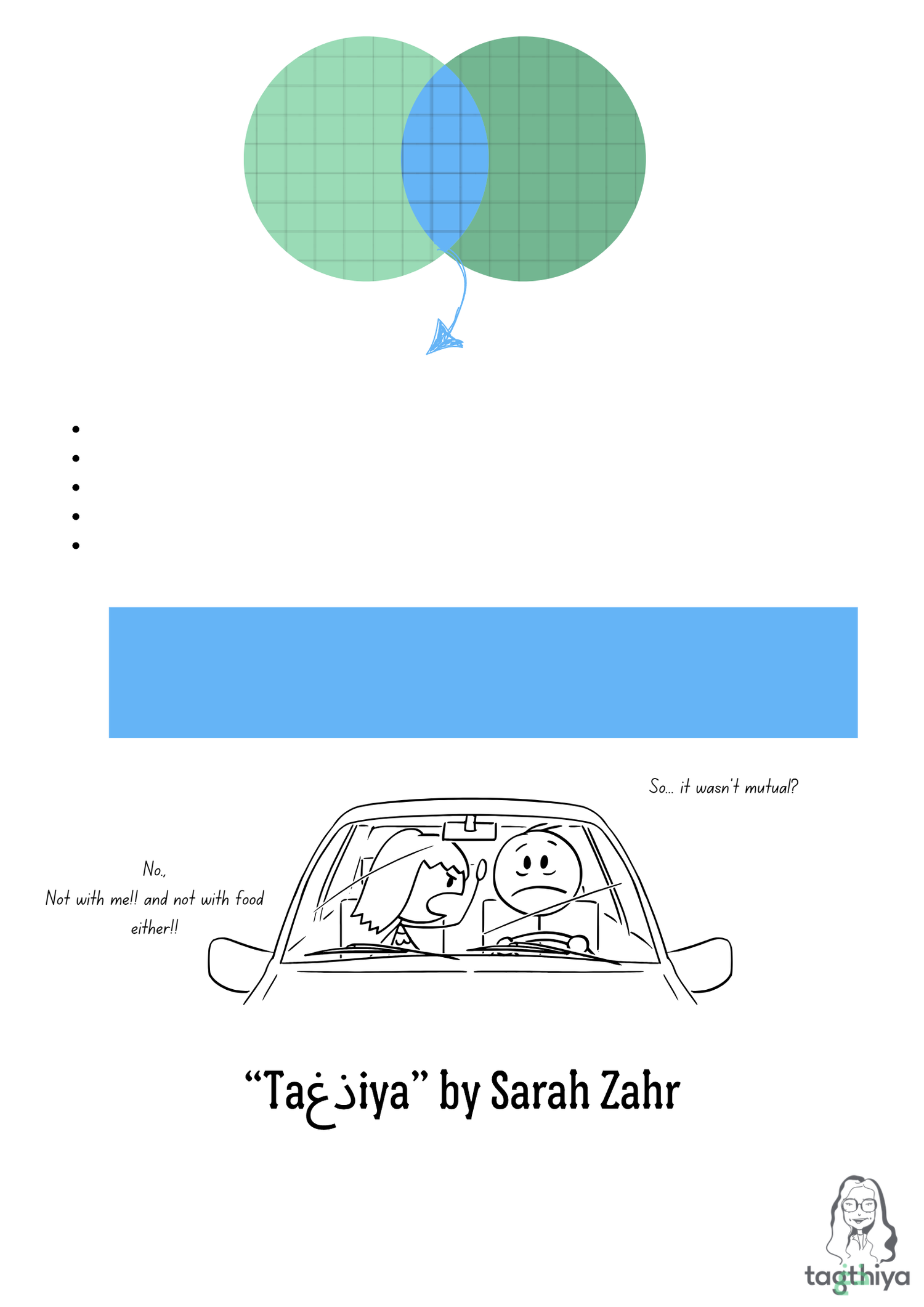
Ultra- processed food
Cigarettes
And this is exactly how both the tobacco and ultra-processed food industry are similar: industrially engineered optimized for reward designed for repeated use widely accessible heavily marketed
At the end of the day, the problem isn’t that you fell for ultra- processed food. It was designed to make you want more.
Gearhardt, A. N., Brownell, K. D., & Brandt, A. M. (2026). From tobacco to ultraprocessed food: How industry engineering fuels the epidemic of preventable disease. The Milbank Quarterly
Credit to Zdenek Sasek for the illustrations!