
Like Opening a Can of Worms: Unpacking Ultra-Processed Foods

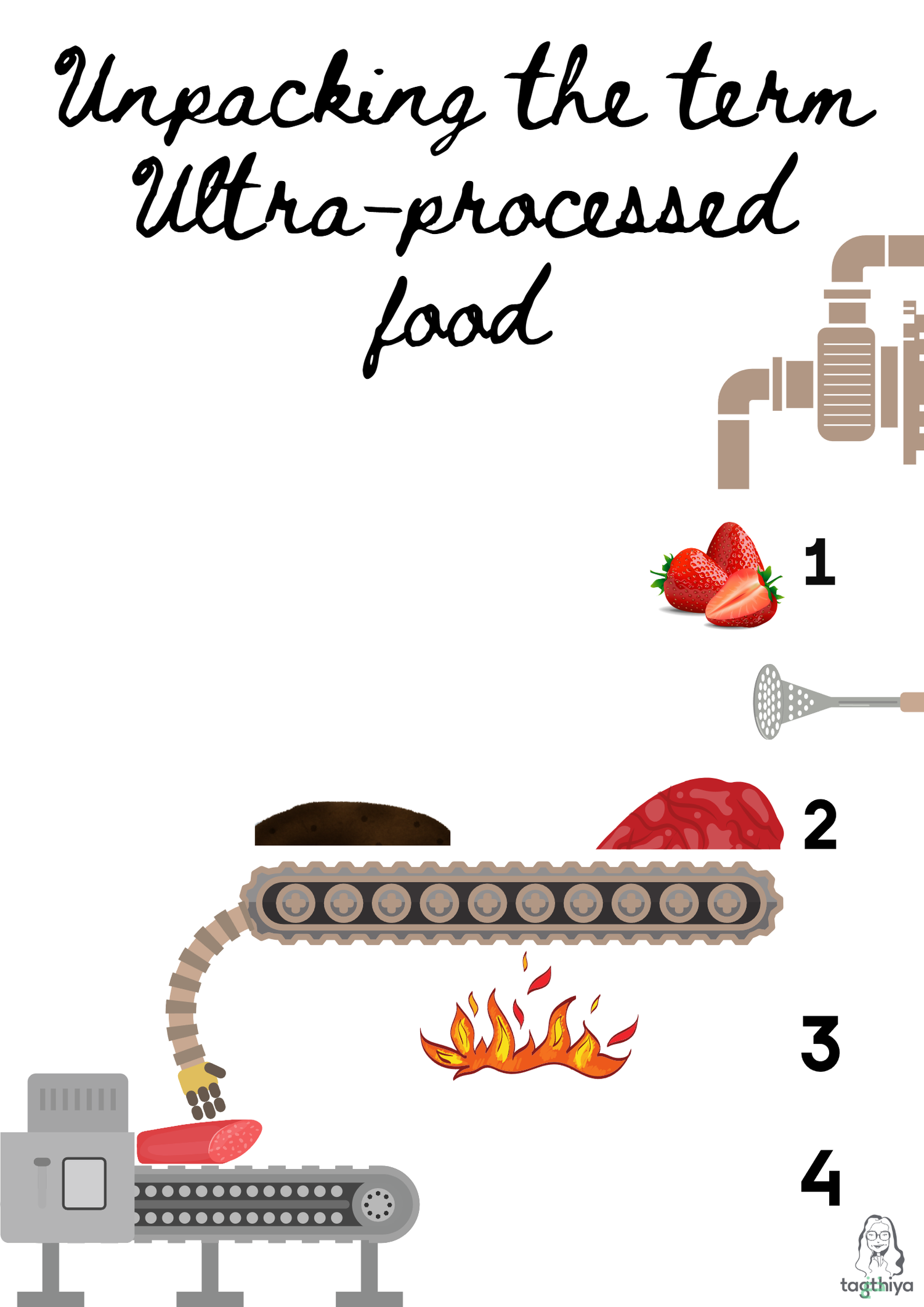
Unpacking the term Ultra-processed food
Let's consider the hypothetical example of fresh strawberries. These strawberries pass through a series of steps: they are placed on a conveyor belt, pounded, and then melted. After that, the food enters several machines for additional processing and packing with additives before becoming the final product.
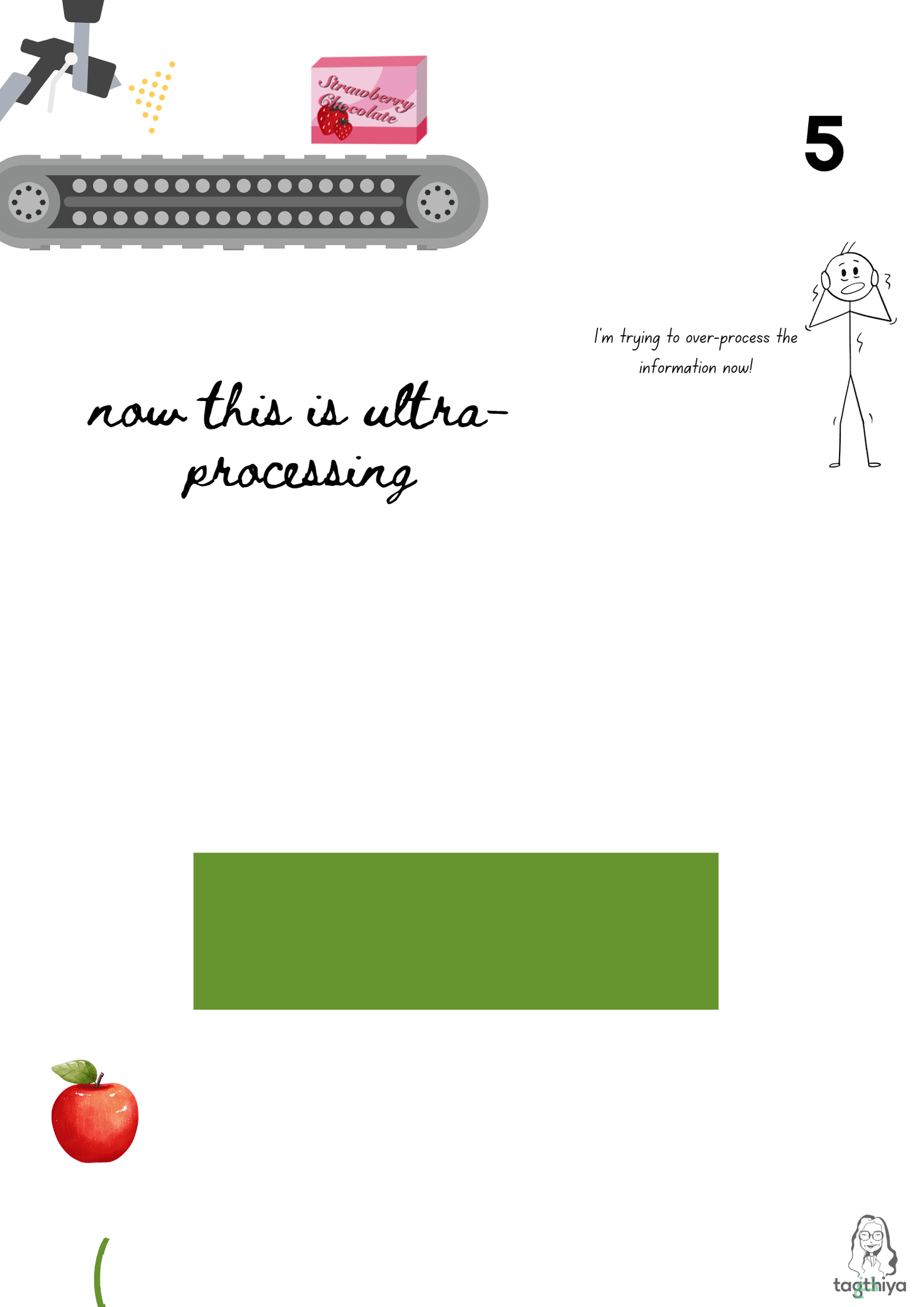
now this is ultra- processing
Food processing generally refers to any action that alters food from its natural state, such as drying, freezing, milling, canning, or adding salt, sugar, fat, or other additives for flavor or preservation.
Most foods are processed in some way before purchase or consumption. “Processed foods” encompasses everything from washed and peeled vegetables to canned, cooked beans to candy and sodas.
Researchers developed the NOVA classification system to categorize foods into one of four groups according to the extent and purpose of processing:
Let’s take another example, an apple. The first NOVA classification is unprocessed foods, obtained directly from plants or animals with little or no alteration. Other examples include: fresh or frozen fruits/vegetables, pulses, grains.
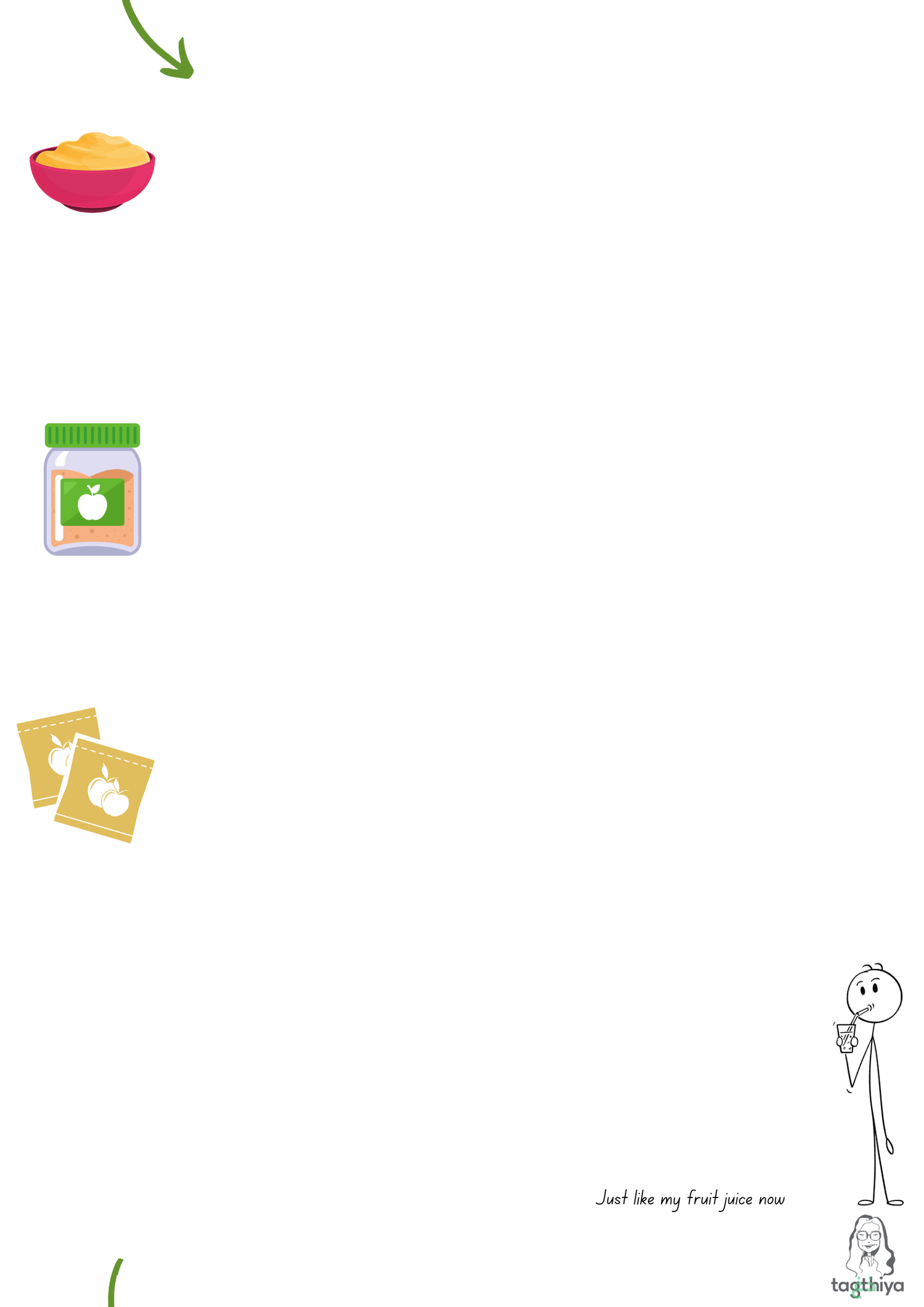
The second classification is substances obtained directly from Group 1 foods or nature, created by industrial processes such as pressing, refining, extracting, or mining. In this case, we have home-baked apples.
Processing aims to create products to prepare, season, and cook Group 1 foods. Other examples include: Butter, vegetable oils, other fats, sugar, molasses, sal
In the third group we have products made by adding ingredients from Group 2 to Group 1 foods and preserved via methods such as canning, or bottling. In this example we have packaged applesauce cups. Processing aims to increase stability and durability of Group 1 foods and to make them more enjoyable. Other examples include: Canned vegetables in brine, fresh cheeses, freshly made breads.
Then we have formulations of edible ingredients (low-cost, derived from Group 1 foods) containing substances not used in home kitchens and/or cosmetic additives (e.g., flavors, colors, emulsifiers). These enter a multi-step processing can include intense physical, chemical, or biological processes (e.g. hydrogenation). Manufactured to be convenient, durable, tasteful (often hyper-palatable), and profitable (using cheap ingredients). That is why they are called ultra- processed foods (UPFs). In this case, we have packaged apple snacks.
And other examples include : Packaged chips, cookies/biscuits, instant soups/noodles, candy, soft drinks

“Ta ذغ iya” by Sarah Zahr
UPFs (NOVA Group 4) are not simply foods that have been modified by cooking or adding ingredients, but rather edible formulations that have been transformed from naturally available substances, along with additives that heighten their appeal and durability.
This is how we become ultra-processed people. People “who eat stuff that isn’t food and we just can’t seem to stop it!*
Sources
- Ultra processed foods predigested health risks The Washington Post, 2023
- * Ultra-processed People: Chris van Tulleken