

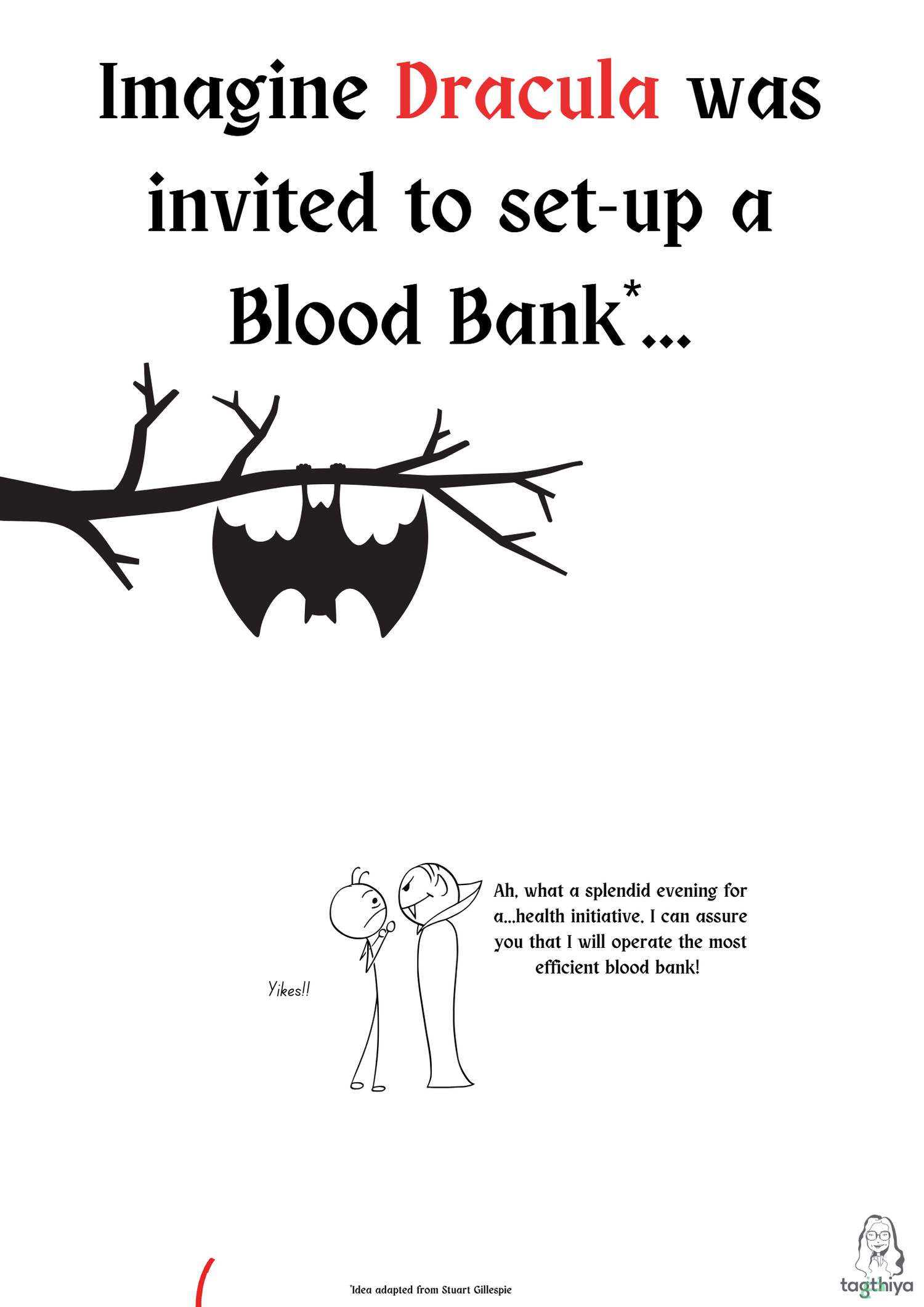
Imagine Dracula was invited to set-up a Blood Bank*...
Imagine, a small town plagued by a mysterious health issue. In a peculiar twist of fate, the town council invites Dracula to set up a new blood bank in the community. It's the perfect job for the infamous vampire, right? After all, who better to run a blood bank than someone who thrives on drinking blood?
Yet, we all know that putting Dracula in charge of a blood bank would be an incredibly misguided and dangerous decision. Dracula's interests are fundamentally at odds with the health and well-being of the people in the community.
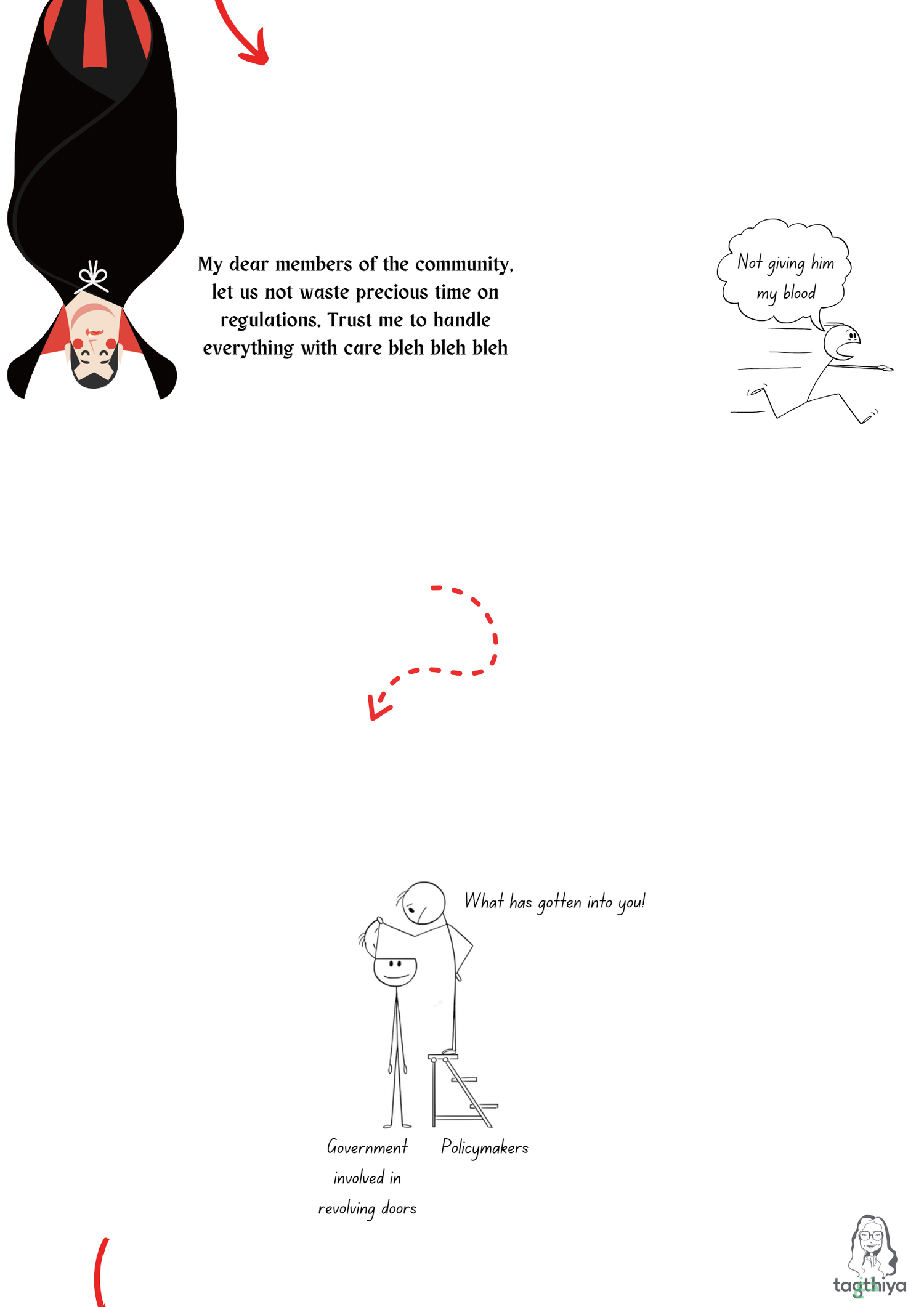
His goal would be to accumulate as much blood as possible, not to ensure a safe and reliable blood supply for those who need it.
At first glance, this might seem like an amusing plot twist in a dark comedy. However, this is akin to what happens when the Food and Beverage Industry is invited to the policymaking table.
Just as Dracula running a blood bank presents a stark conflict of interest, so too does the involvement of these corporations in crafting policies meant to regulate their products.
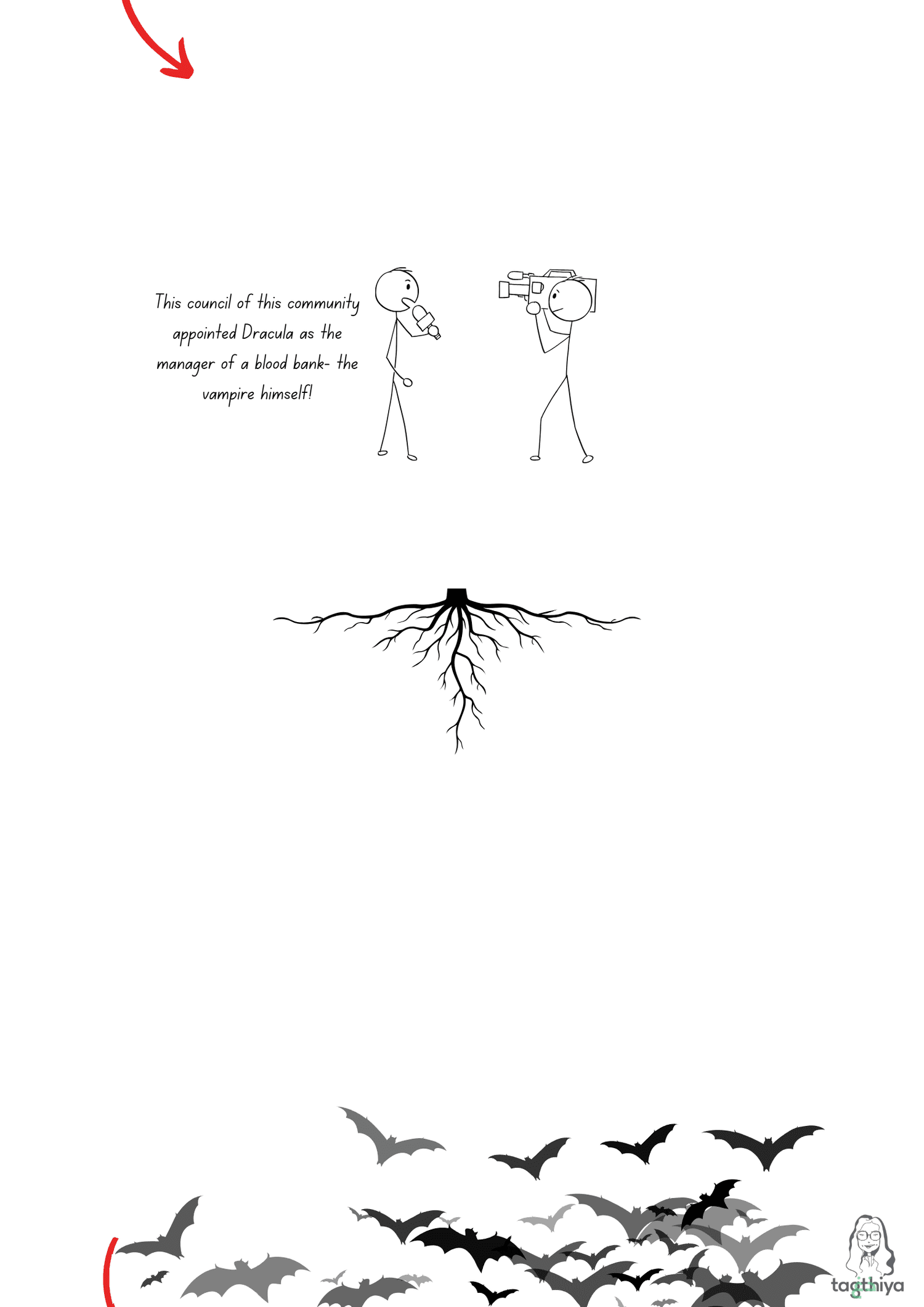
The Food and Beverage Industry has fought tooth and nail against public health measures like sugar-sweetened beverage taxes and restrictions on junk food marketing - all in the name of protecting their profits, even though these policies are shown to improve community health.
Industry seeks to be part of the policymaking process and to influence the three branches of the government:
Legislative
Judicial
Executive
The representatives of this industry participate in technical and advisory groups that discuss public policies, often to delay the processes or promote weaker rules.
Industry actors and lobbyists claim they are a necessary party in stakeholder committees

“Ta ذغ iya” by Sarah Zahr
Governments must uphold human rights, including health and food rights, which cannot be realized if industry pressures sway governmental actions and shape global food policy debates due to their inherent conflicts of interest in preventing non-communicable diseases and promoting public health.
It's a classic case of the fox guarding the henhouse .
When we allow industries that stand to benefit financially from unhealthy policies to have a seat at the policymaking table, we're putting the interests of corporate profits ahead of the well-being of our communities. It's a recipe for disaster, just like handing over control of the local blood bank to Dracula.
Sources
- Dracula blood banksand getting serious about malnutrition Koya
- Industry Interference in Food Policy Global Health Advocacy Incubator, 2021