Food Politics & More
In the vast aisles of our supermarkets lies a secret so subtle yet so profound that it escapes the notice of most shoppers:
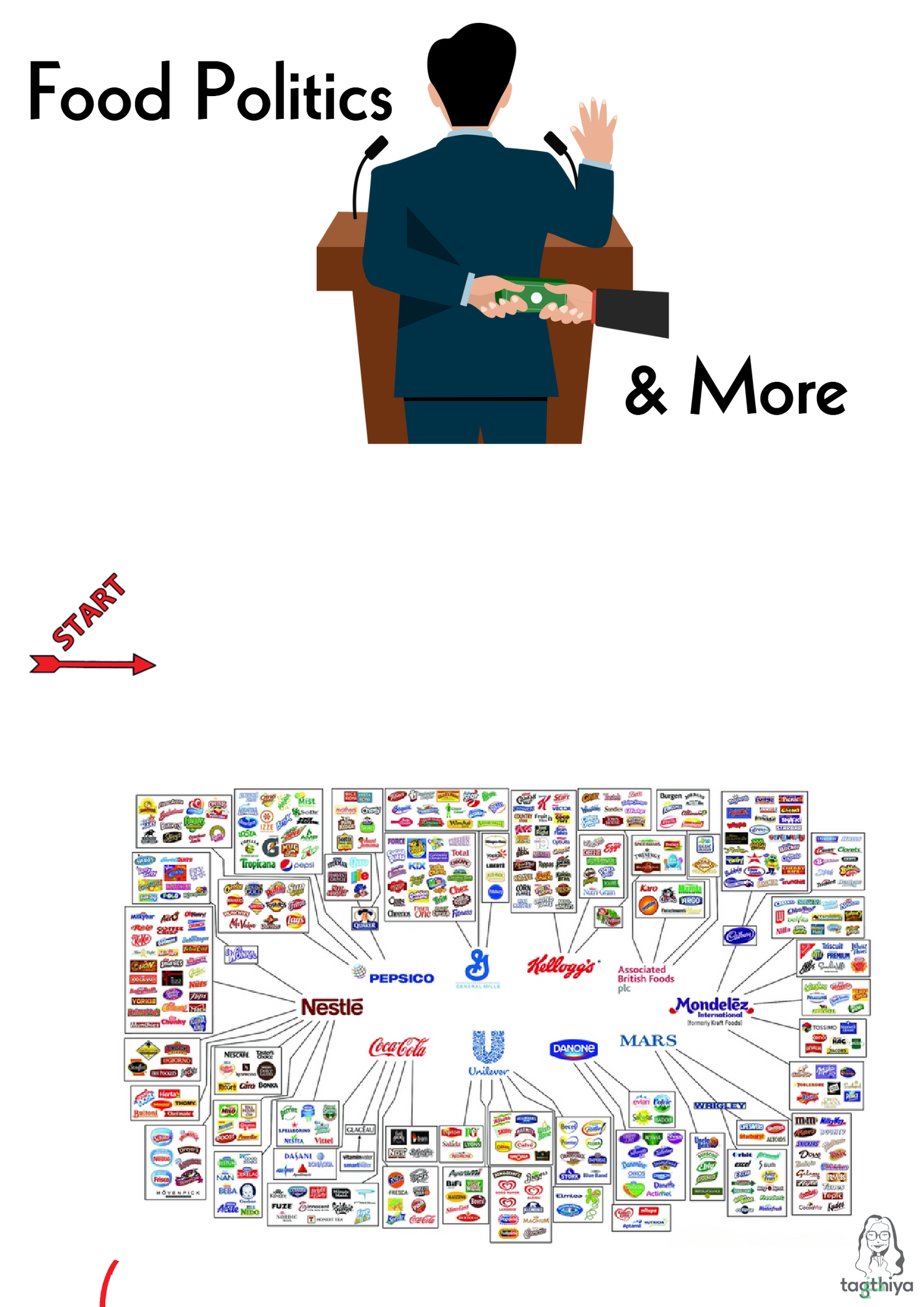
Nearly everything we add to our carts is controlled by only 10 corporate giants. This isn't just about brand preference or the illusion of choice; it's about the immense power these entities wield over our food systems, our health, and ultimately, our world.
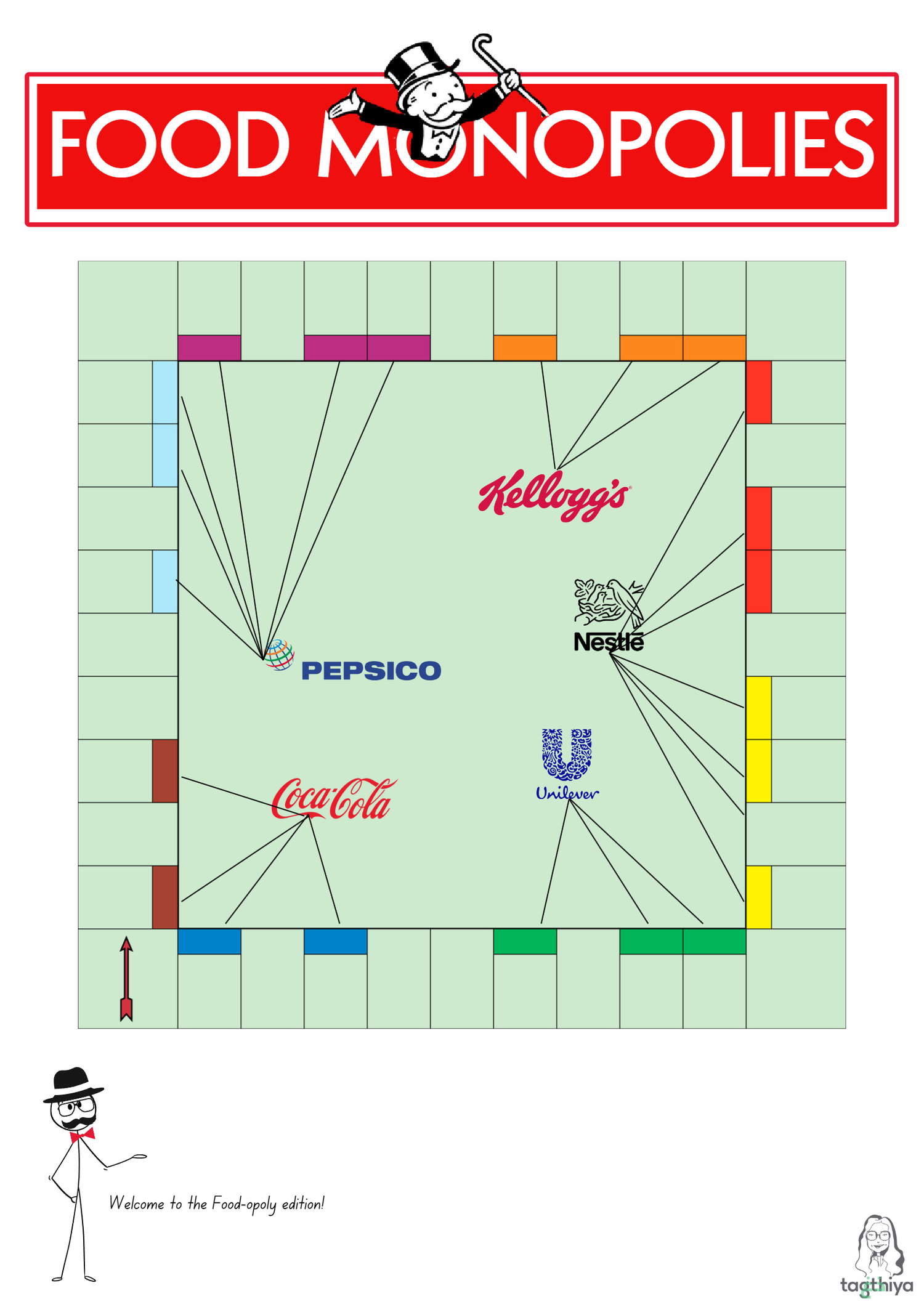
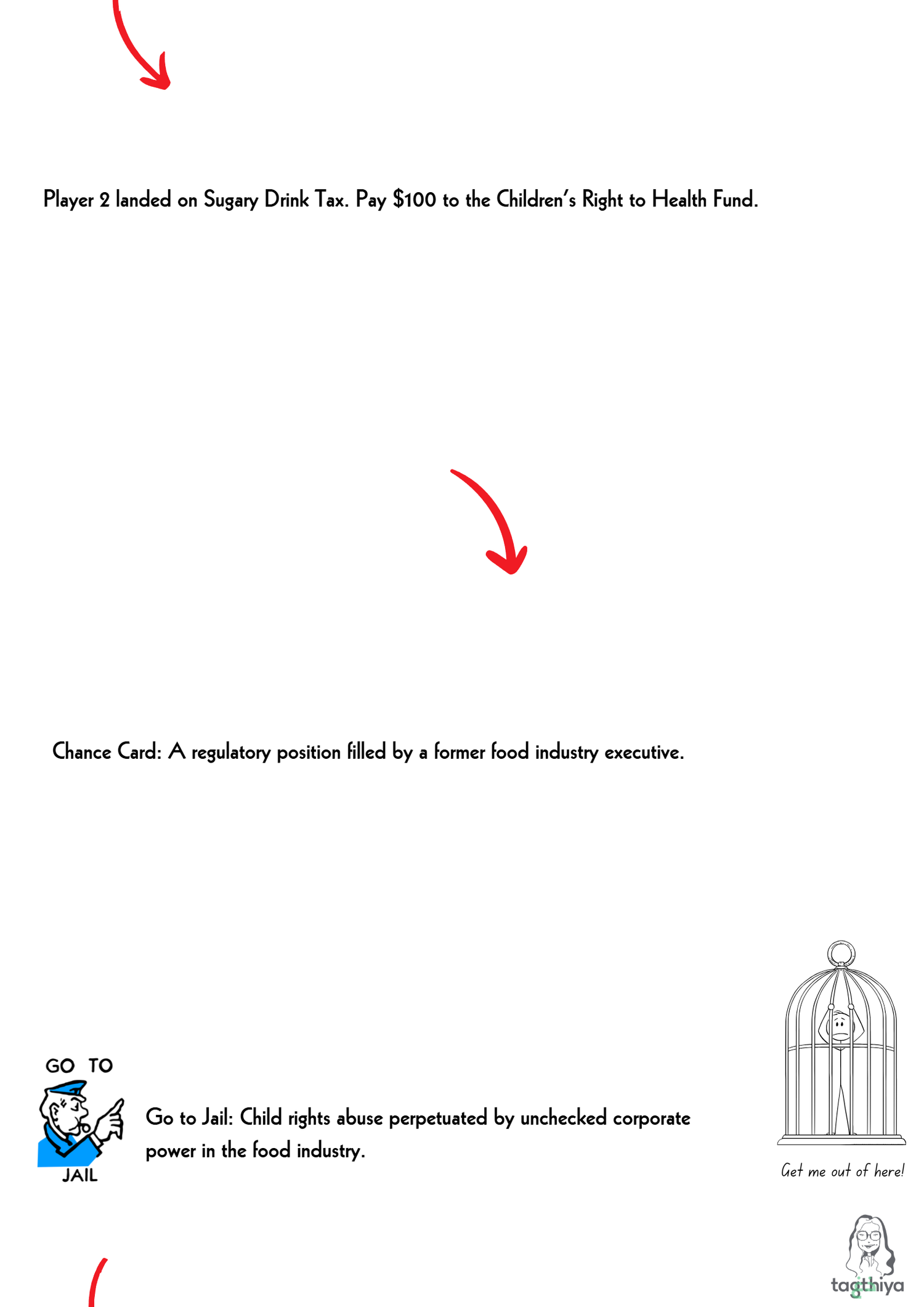
These 10 companies play a real-life game of Monopoly!
The influence of the mega food and beverage companies enables them to largely dictate what millions of farmers grow as well as what consumers eat and how much our groceries cost.
For instance, only 15 cents of every dollar we spend in the supermarket goes to farmers. The rest goes to processing and marketing of our food.
Research shows the scale of big food and beverage companies’ market dominance and political power - check the below examples:
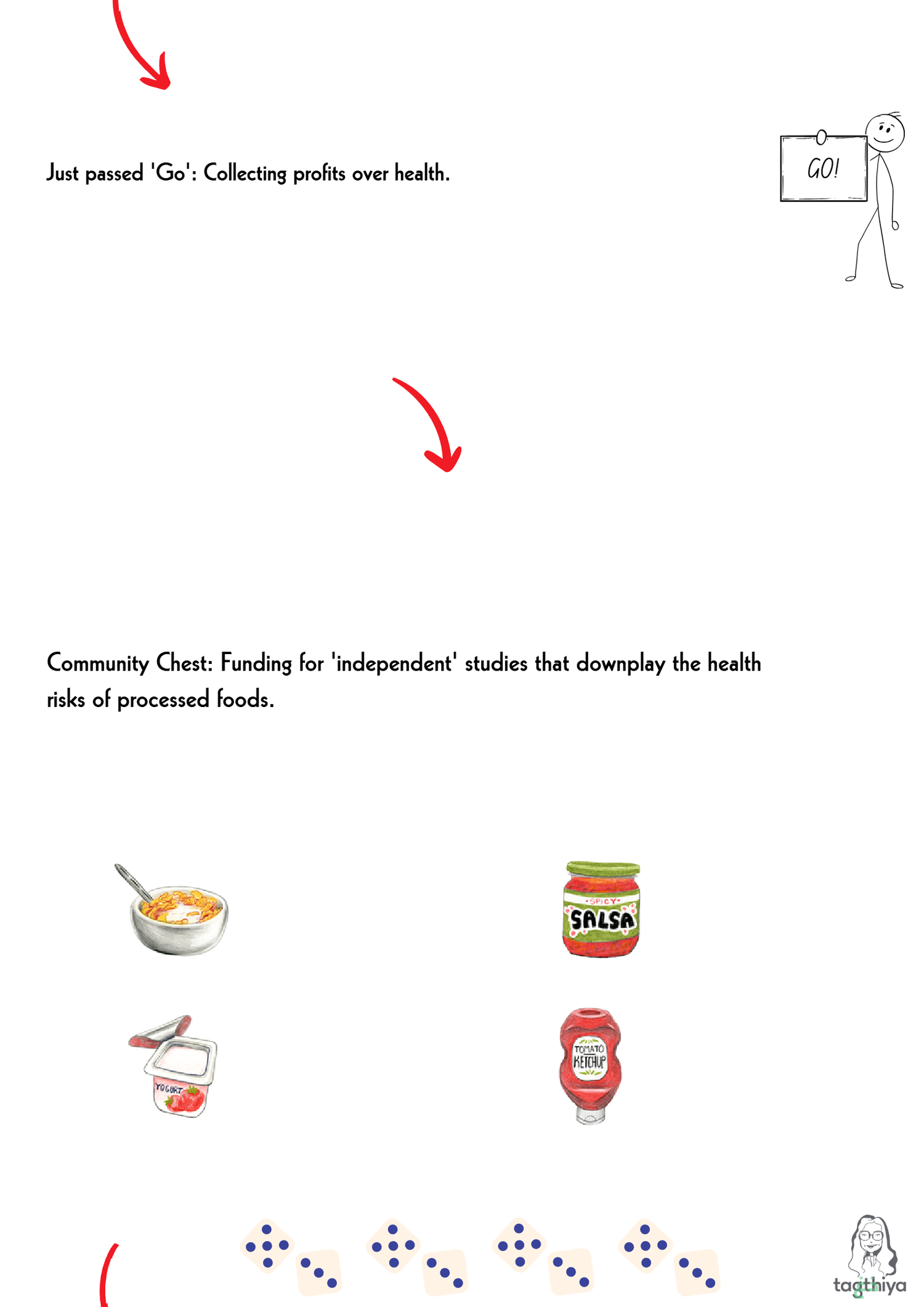
Dips- 91% of market share, owned by 4 firms
Breakfast cereals- 73% of market share , owned by 3 firms
Table sauces- 53% of market share , owned by 4 firms
Yogurt- 75% of market shares , owned by 4 firms
The economic power of the big food and beverage corporations has contributed to their growing political power.
The influence of the food and beverage giants extends far beyond the supermarket shelves and into the very halls of power where policies are made and regulations are set. This is the part of the game where the stakes are high, and the players are not just competing for market share, but for the power to shape the rules of the game itself.
Food and Beverage companies tend to lobby officials, co-opt experts, and expand sales by marketing to children, members of minority groups, and people in developing countries.
One of the primary tools at the disposal of these conglomerates is lobbying . Food companies have fought vehemently against regulations that would require clear, easy-to-understand nutrition labeling on packaged foods as these regulations might affect their sales.

“Ta ذغ iya” by Sarah Zahr
Food Politics makes a compelling case that large food conglomerates have fundamentally undermined society's ability to access healthy, unprocessed foods and accurate nutrition information
If you are a consumer , the next time you find yourself wandering the aisles of a supermarket, pause and consider the hidden forces at play.
If you are a health advocate , the rules of the game are simple, are you ready to roll the dice and play a game against the food industry? But, make no mistake- this fight we cannot afford to lose...
Sources
- Lakhanim N., Uteuova, A., Chang, A. (July, 2021). Revealed: the true extent of America's food monopolies, and who pays the price. The Guardian.. Retrieved from: https:// www.theguardian.com/environment/ng- interactive/2021/jul/14/food-monopoly-meals-profits-data-investigation