
The Straw Man Fallacy: Big Food and Conflicts of Interest
Why Junk Food Industry Can ’ t Regulate itself
If diet-related disease are to be improved, ending conflicts of interest between those who make food, and those who would regulate it, is essential.
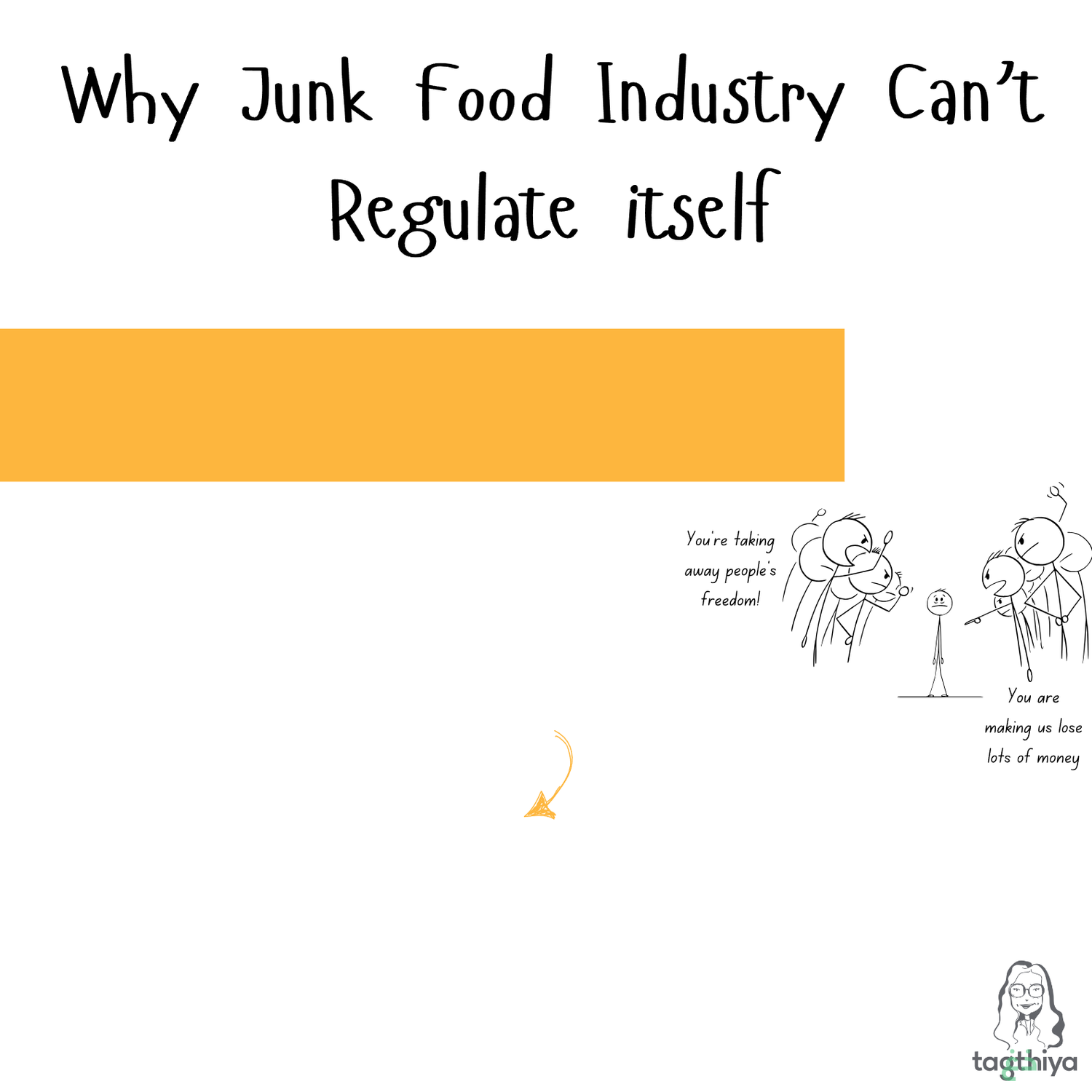
Big Food and Beverage comapnies are not on good terms with those who want to end conflict of interests. Any attempt to regulate ulta-processed food is framed as an attack on individual freedom, personal choice, or more like a war on taking soft drinks or junk food away.
But asking to have a policies made with people with no financial interests is not equal to banning junk food and beverages.
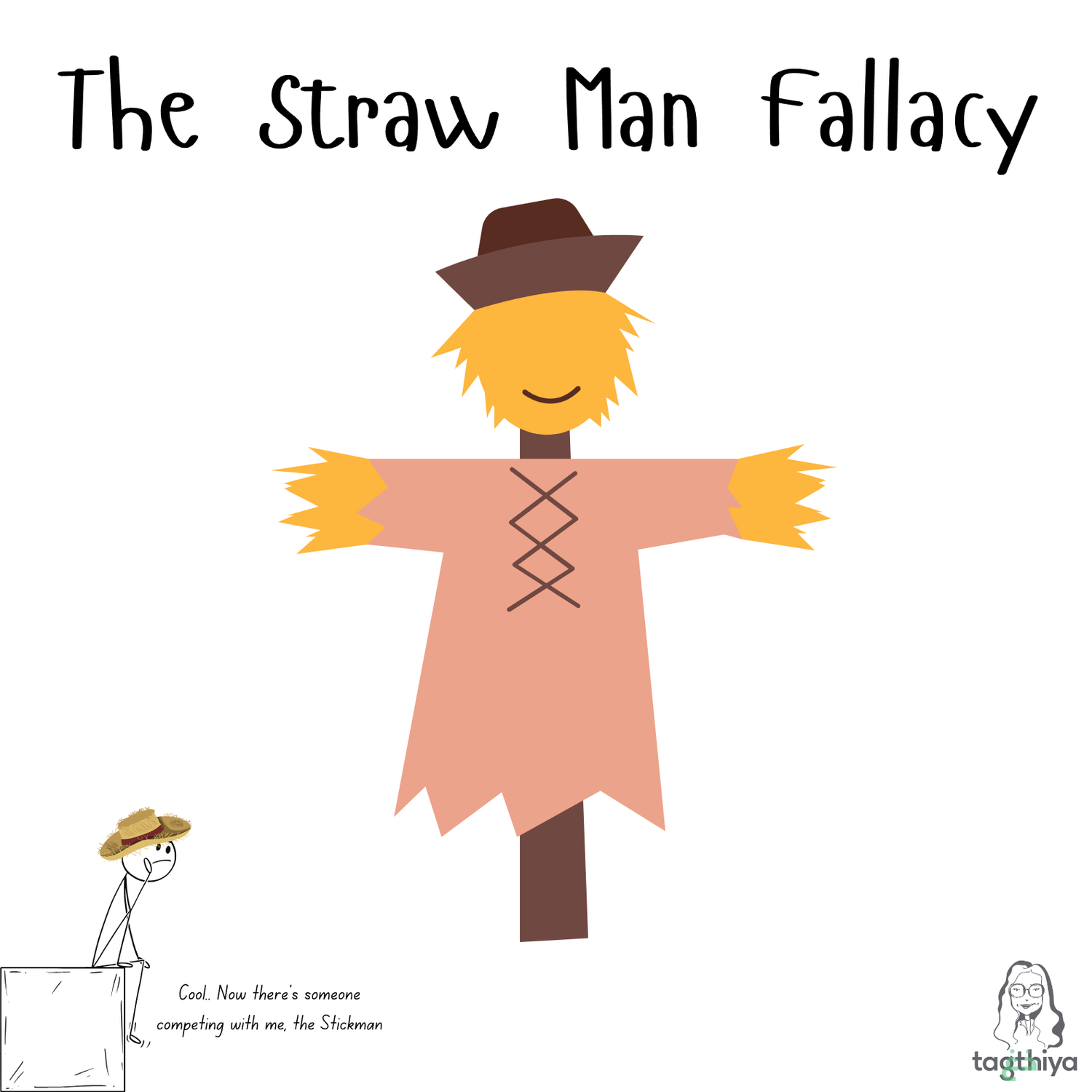
This is exactly what a straw man fallacy is.
For example, if a teacher says “we should give better study guides to students,” someone using a straw man might respond “so you want to hand out easy A’s to everyone.”
Of course the teacher didn’t say that! The opponent tried to distort the version of the teachers’ original idea
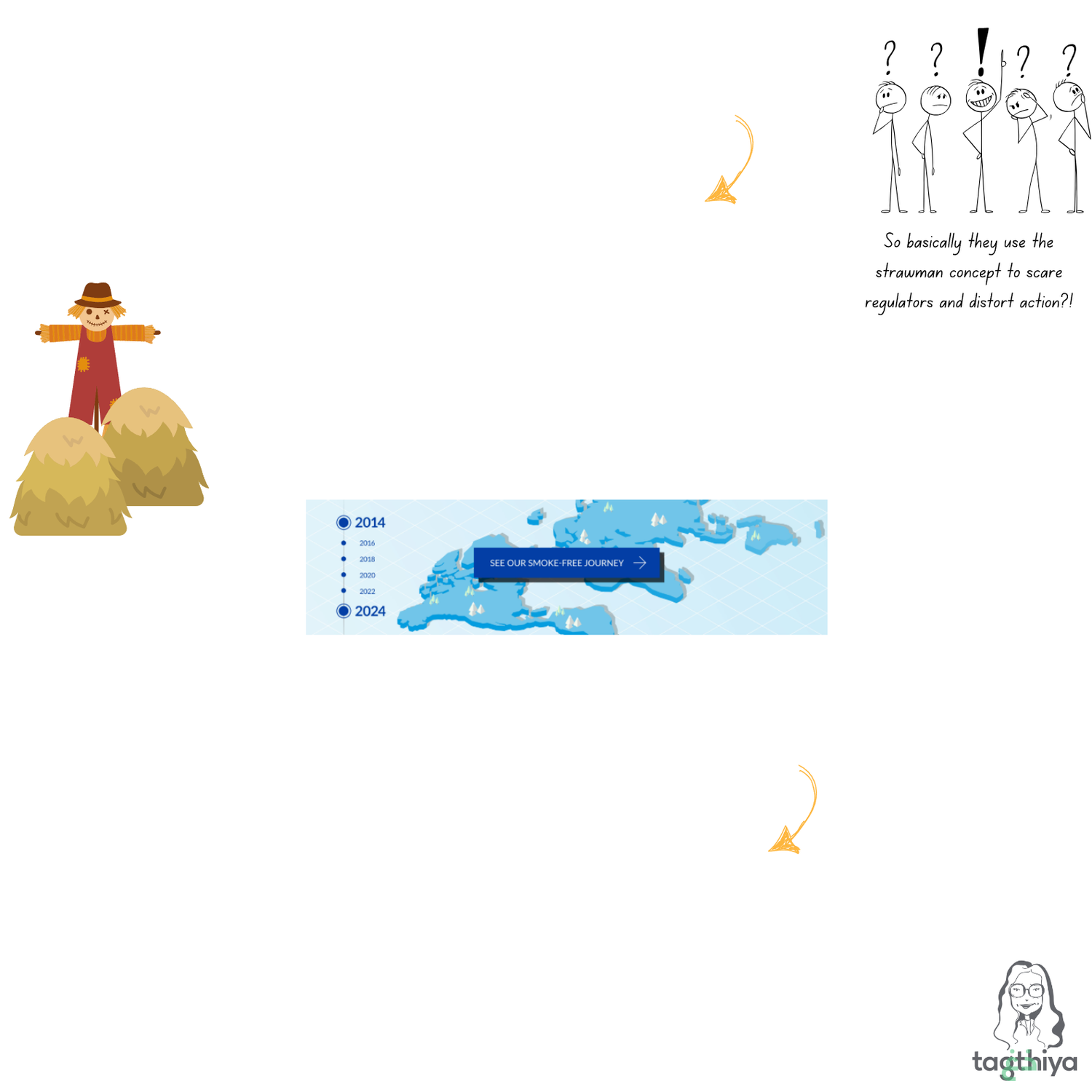
Big corporations also use other smoke screens to deflect criticism. They say “we’re on a journey” toward better health, making grand pledges to reduce pollution, or curb junk food marketing to children.
For example, Philip Morris “Smoke-Free” Future Journey
But history shows these voluntary schemes never deliver real benefits.
In every major health crisis, tobacco, alcohol, ultra-processed food, companies have lobbied hard against regulations that would help the public. Instead, they highlight minor efforts and position themselves as “responsible” actors.
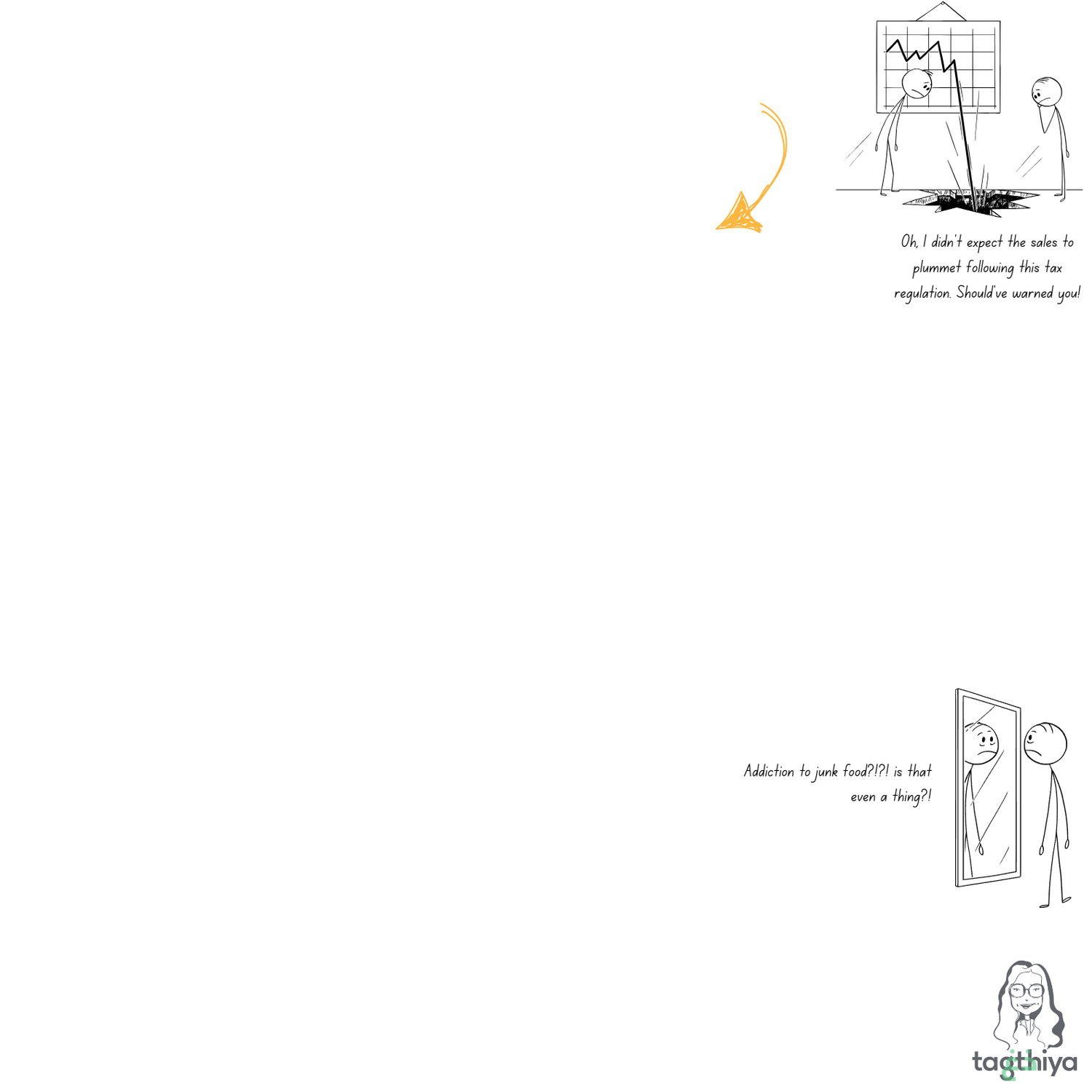
Economics shows why voluntary pledges can’t be trusted. The profits from selling cheap, unhealthy food are enormous, while the costs of diet-related disease are even higher.
Prof. Chris van Tulleken (known for his work on ultra-processed foods on health) notes that the tax revenue from the food and drink industry is tiny compared to “the cost to our economy of diet-related disease, in terms of public health costs, reduced productivity and lost human capital”.
Ultra-processed foods are also engineered to sell. Modern junk foods are often ultra-processed, as in industrially formulated snacks and meals with lots of added fat, salt, sugar and artificial flavors.
These products are designed to be super-palatable. Scientists note that many junk food items overlap neurologically with addictive substances, high sugar and fat combinations can trigger dopamine spikes in the brain, similar to cocaine.
Behind all of this lies the core issue: conflicts of interest. Industry leaders want to sell as much as possible, but public health authorities want to reduce harm.

“Ta ذغ iya” by Sarah Zahr
Industry arguments that advocate removing business influence are straw men, critics aren’t calling for bans on products, just for fair policymaking. Voluntary company promises (“we care, we’ll improve!”) have never worked to protect public health. Solving diet- related disease means stopping companies with financial stakes from setting the rules in the first place!
van Tulleken, Christoffer. "Ultra-processed foods and public health: Evidence of harm and of conflicts of interest in the food industry to evade regulation." Future Healthcare Journal 12, no. 2 (2025): 100263. Lustig, Robert H. "Ultraprocessed food: addictive, toxic, and ready for regulation." Nutrients 12, no. 11 (2020): 3401.