
Obesity Is a Policy Orphan
Governments are not Treating it With Urgency
Obesity remains “buried” in global agendas and largely excluded from high-level priorities. And, the result is a gap between the scale of the problem and the inadequate policy action to address it.
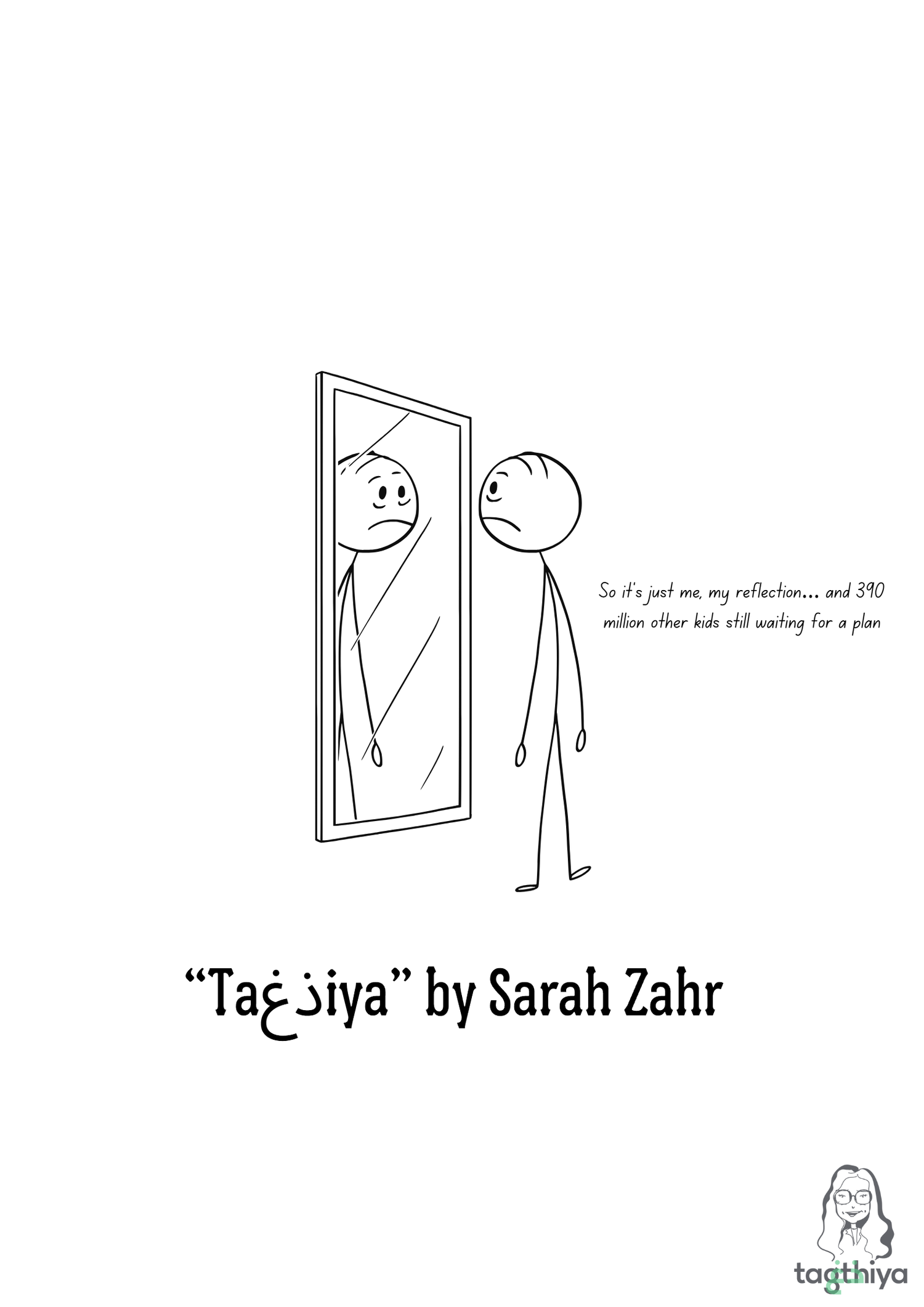
Around the globe, childhood and adolescent obesity rates have surged in recent decades, yet policy responses trail far behind. By 2035, nearly 400 million children could be living with obesity, more than double the number in 2020!
This escalation represents a true global epidemic, and for years international development efforts gave minimal attention to obesity.
1. The 2000–2015 Millennium Development Goals famously ignored non-communicable diseases like obesity 2. Sustainable Development Goals (2015-2030) incorporated some NCD targets, but obesity was not given a standalone goal or indicator beyond a narrow focus on child overweight.
Despite being a risk factor for all major NCDs and a chronic disease in its own right, obesity remains excluded from international frameworks which in turn impacts policies at the national level.
Most countries lack a plan.
Based on a recent 2025 report by World Obesity Federation, the majority of countries have no comprehensive obesity plan in place.
1. Two-thirds of countries worldwide have none or only one of the five recommended policy actions to address obesity. 2. Only 7% of countries have health systems that are adequately prepared to manage and treat obesity 3. Approximately 1.6 million deaths each year from diseases like diabetes, heart disease, and cancer are attributable to overweight and obesity
Why do obesity policy efforts fall short?
-1- Obesity is not seen as a disease but as a personal failing or lifestyle choice.
-2- Stigma and lack of political will.
This narrative has made governments hesitant to treat obesity with the same seriousness as any other NCDs.
Weight bias can lead to the mistaken belief that obesity is simply a matter of personal responsibility. Politician may be reluctant to champion obesity prevention if they fear it will be unpopular or seen as “nanny state” interference in personal choices.
-3- Commercial and structural obstacles.
The food and beverage industry often lobbies against regulations that would make diets healthier, such as taxes on sugary products or limits on marketing to children.
“Ta ذغ iya” by Sarah Zahr
Bridging the gap between the obesity crisis and the policy response will require both high-level commitment and on-the-ground nuance. On the global stage, obesity can no longer remain a policy orphan. It needs to be adopted into the family of priority health issues, with clear targets and accountability.
Sources
- Blog obesity universal health coverage and sustainable development an intro World Obesity Federation