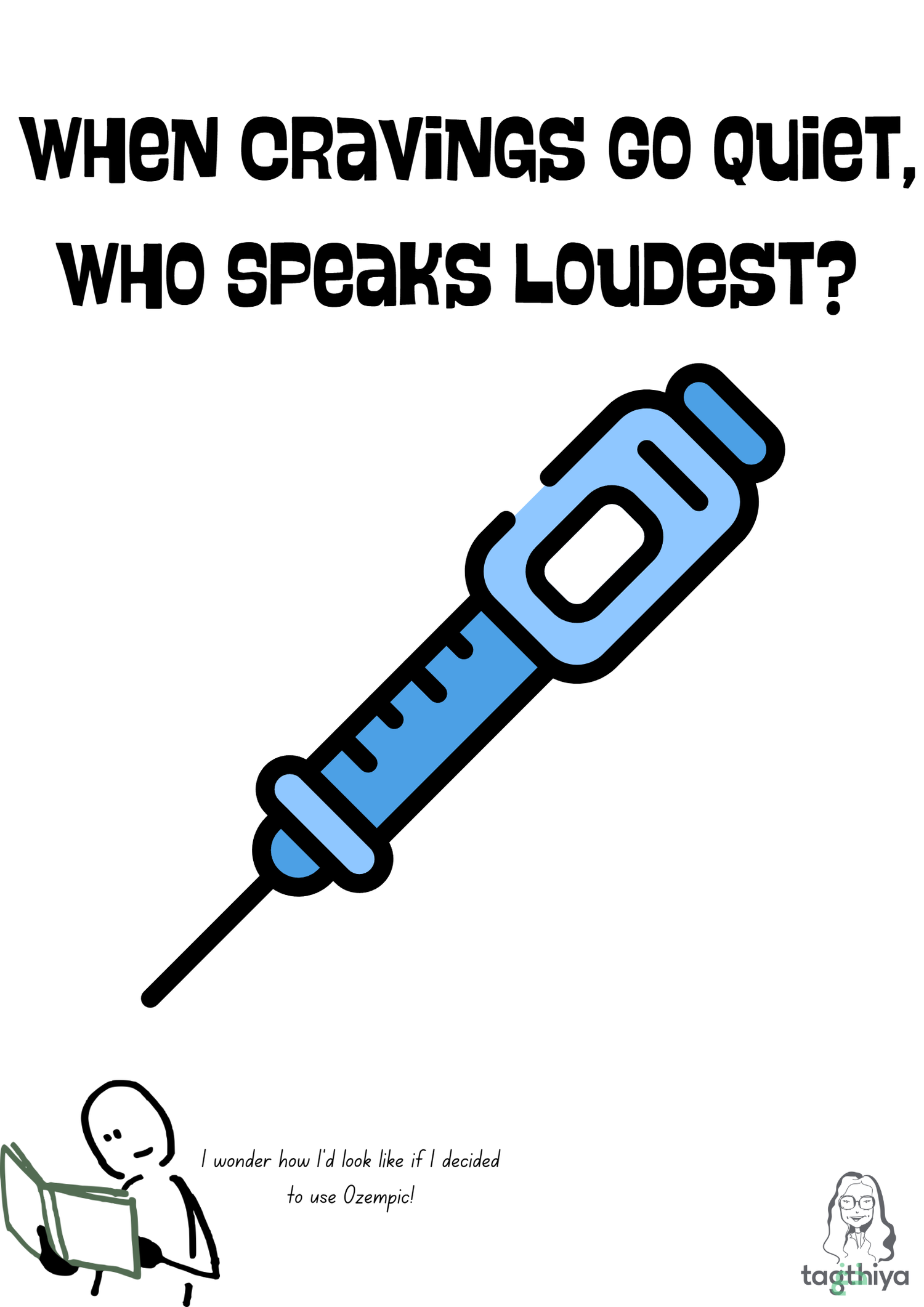
When Cravings Go Quiet, Who Speaks Loudest? GLP-1 Drugs and the Food Industry
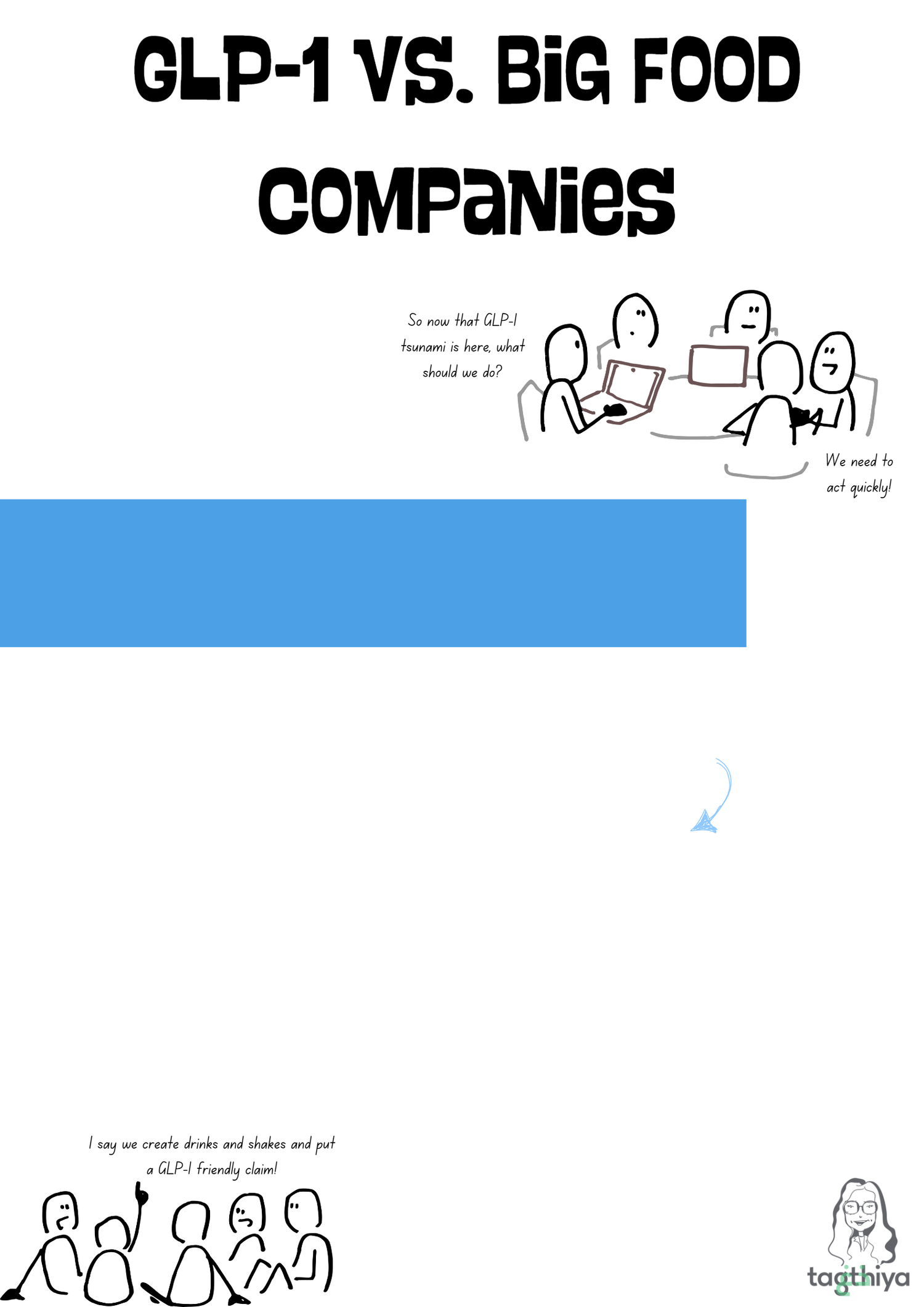
GLP-1 Vs. Big Food Companies
Glucagon-like-peptide-1 or GLP-1 drug such as Ozempic, is an appetite suppressor that works on lowering blood sugar, slowing digestion, and making its user feel fuller for longer.
In the long run, there are potential concerns with GLP-1 drug use, particularly when it comes to micronutrients and potential muscle mass loss, partly.
The GLP-1 drug market itself is booming, projected to exceed $100 billion in annual revenue within the next decade and currently dominated by a couple of pharmaceutical giants
Early evidence shows GLP-1 users sharply cut back on ultra- processed snacks, alcohol, and refined carbs, while doubling down on protein.

People are shifting towards high-protein bars, “GLP-1 friendly” products, and taste-hacking ingredients.
The weight loss drug has sparked an industry-wide shift with brands now seeking to address the needs of consumers who have smaller appetities, different nutritional needs etc.
Big Food’s playbook was to drive consumption upwards: more snacks, bigger portions, constant grazing. Now, a hormone-mimicking drug is compelling them to reinvent, if not downsize, their playbook.
The question now is, will food corporations use the existence of a weight loss drug to deflect responsibility for unhealthy food environments? Or, will they attempt to co-opt the narrative, selling us “GLP-1 friendly” products at a premium?
Well, its the latter. Some food and beverage comapnies have responded by manufacturing new products such as Nestle’s new Vital Pursuit, a range of portion control high protein ready meals or Abbott’s ProTality line of nutrition shakes.
There is also another issue to consider.
The weight loss drugs are expensive, often over $1,000 a month, and many insurance plans won’t cover them for general weight loss, making them out of reach for many users. Usually, early users of these drugs would be the wealthier individuals who have better healthcare access.
“Ta ذغ iya” by Sarah Zahr
Meanwhile, lower-income communities, already targeted by pervasive junk food marketing, may not be able to get access to the drug if they need it.
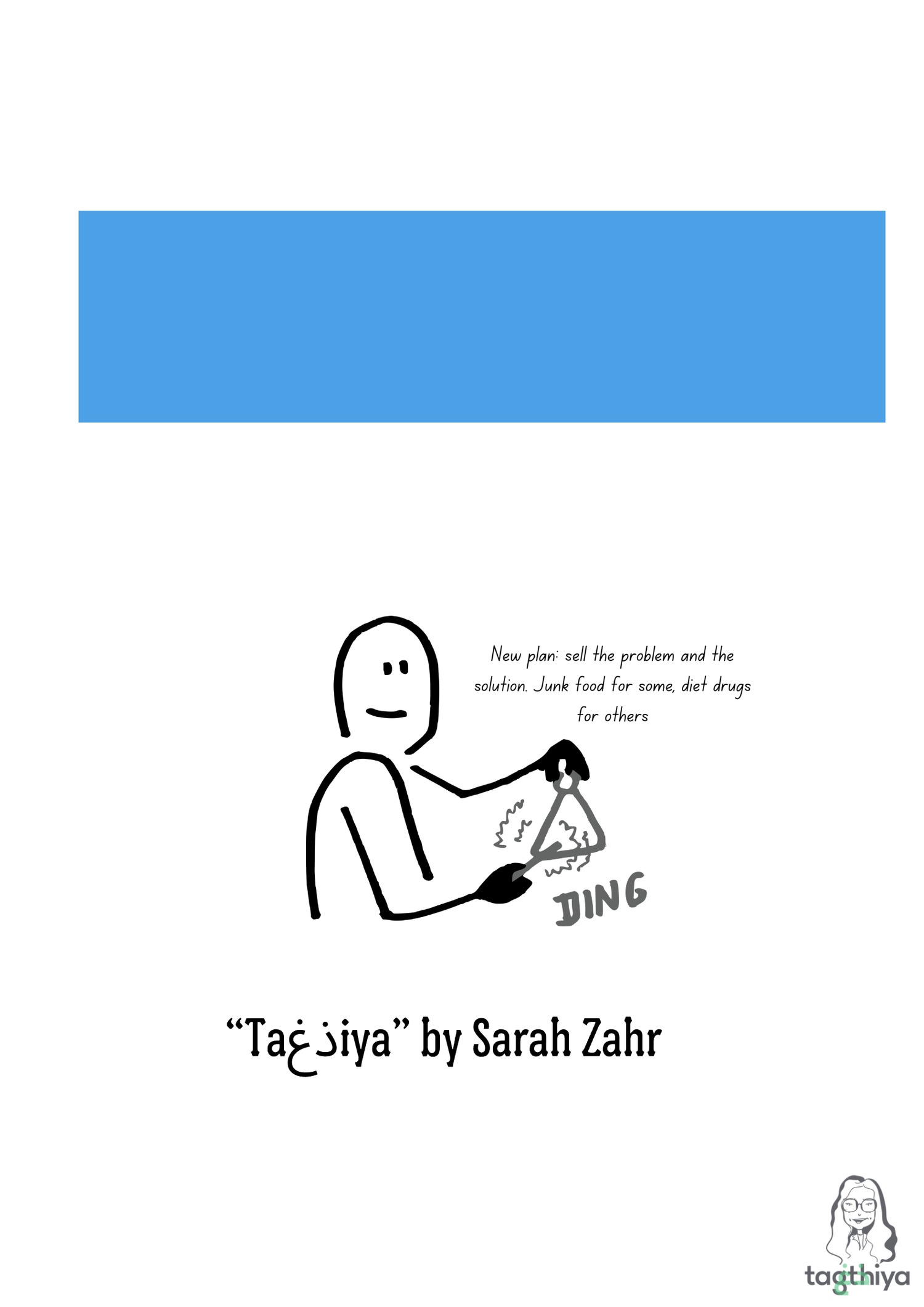
So here we are: people paying for unhealthy diets multiple times: first at the checkout, then through the illnesses those foods cause, and finally for the cure. Meanwhile, Big Food and Big Pharma profit at every turn: driving the problem, selling the cure, and marketing new products to manage the cure’s side effects.
Sources
- Weekend reading: The effects of GLP-1 drugs on food industry Marion Nestle, Food Politics, 2025
- Now we'll sell you the cure Stuart Gillespie, Substack