
The Lion's Share: How Food Companies Target Children
Big Food Industry Weakens Government Actions
Welcome to the modern food system where children are exploited, government actions are weakened, and ultra- processed food (UPF) and beverage industries “feast” on unchecked power.
The Hunt: Maximizing Profit over Health
Across every billboard, gaming app, and supermarket aisle, one thing is clear: children are the prime target of a pervasive marketing machine.
Big Food and Beverage industries don’t just sell snacks; they build cravings, loyalty, and consumption habits for life. And they do it early.
The recent Child Nutrition Report 2025 by UNICEF reveals how UPF and beverage companies design their marketing strategies to exploit children. Cartoons on boxes, free toys, influencer campaigns, advergames, school sponsorships, all part of a calculated strategy to make junk food the most visible, desirable, and accessible option.
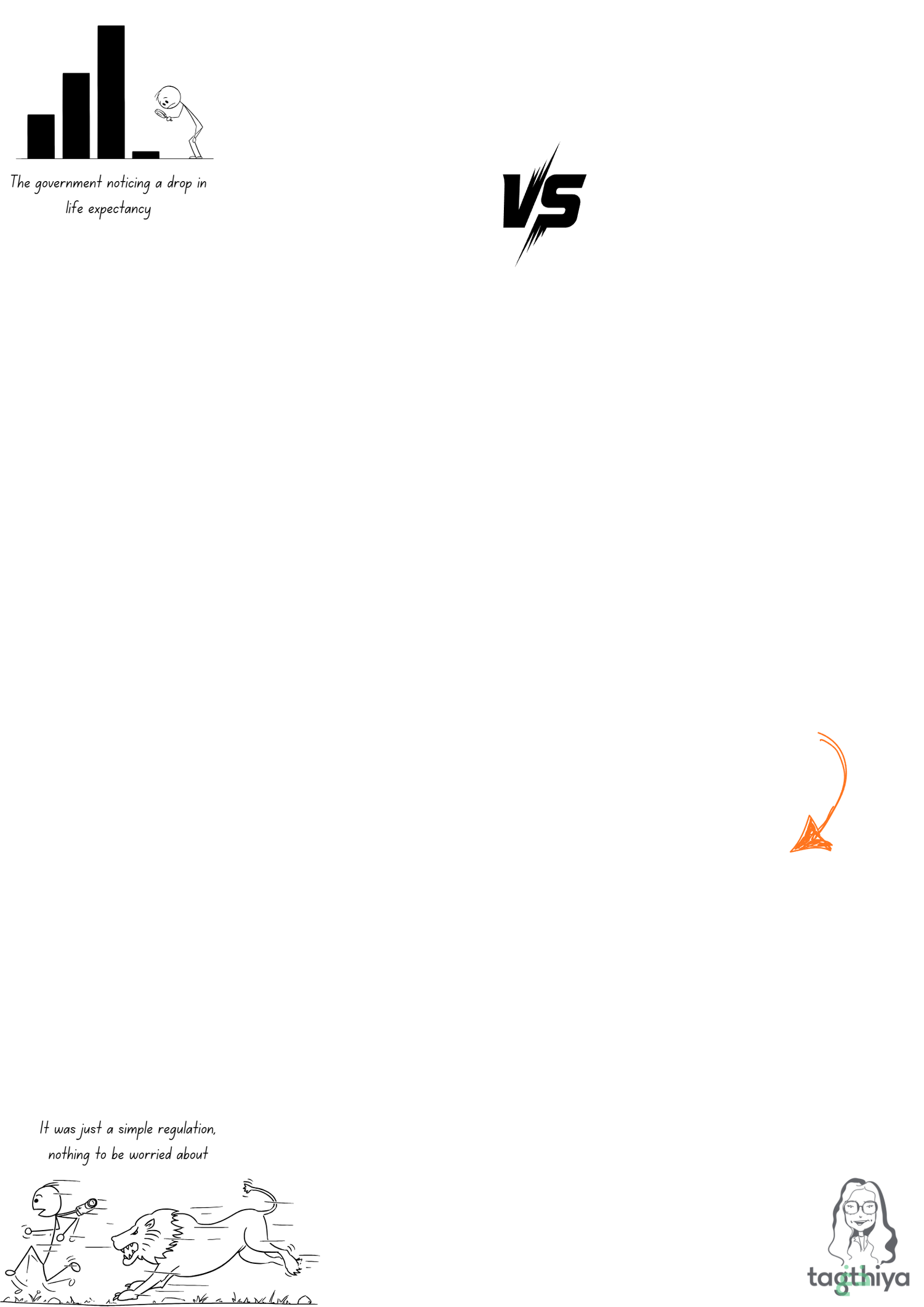
Studies have shown that comprehensive, national, mandatory legal measures and policies can shape healthier food environments for children.
But these measures clash directly with the UPF and beverage industry’s core objectives: to expand its market, maximize profit and meet shareholder demands.
Intdustry interference ensures that the lion still eats first!
Outrunning the Regulators
Governments around the world have tried to implement front-of-pack warning labels, restrict marketing to children, or improve school food environments.
But the UPF and beverage industry responds with delay tactics, legal threats, and "self-regulation" loopholes.
One example? In countries attempting to restrict junk food ads, corporations claim they only advertise to children "responsibly" or that they’re "committed to health"......
while continuing to dominate children's media spaces with unhealthy product ads!
The Hidden Web
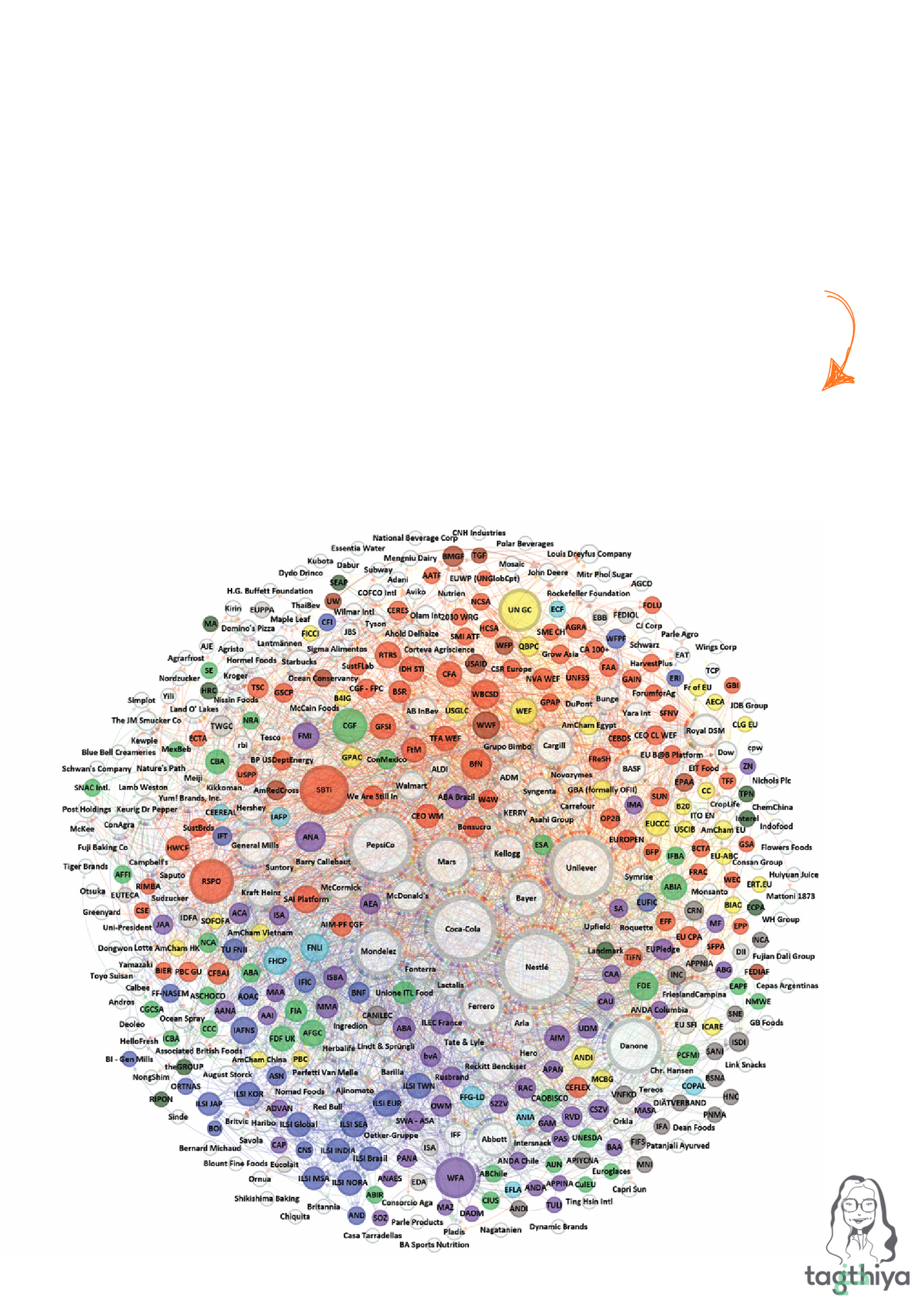
The UPF and beverage industry comprises a complex web of actors that together shape food environments : powerful transnational corporations, food processing and packaging firms, retailers, food service chains, meal delivery services, marketing firms and industry trade associations.
The industry funds think-tanks, academic institutions and front groups – entities that are made to appear independent, but which covertly promote their interests.
What makes this network particularly powerful is that a small number of massive conglomerates, such as Nestlé, PepsiCo, and Unilever, sit at the center of the web, coordinating narratives, marketing strategies, and policy interference across borders.
*Taken From UNICEF’s CNR Report 2025

“Ta ذغ iya” by Sarah Zahr
Restructuring the Decision Table
The UPF and beverage industry has built a kingdom, one where it claims the lion’s share of attention, power, and profit, while children are left with the crumbs of preventable disease and lost potential.
It’s time to ensure that public health, not profit, takes the lead. That means shifting the share of power back to where it belongs.
Slater, Scott et al., ‘Corporate interest groups and their implications for global food governance: Mapping and analysing the global corporate influence network of the transnational ultra- processed food industry’, Globalization and Health, vol. 20, no.1, February 2024, art. 16
United Nations Children’s Fund (UNICEF), Feeding Profit. How food environments are failing children. Child Nutrition Report 2025, UNICEF, New York, September 2025.