
Turn and Face the Strange: The US Foreign Aid Freeze
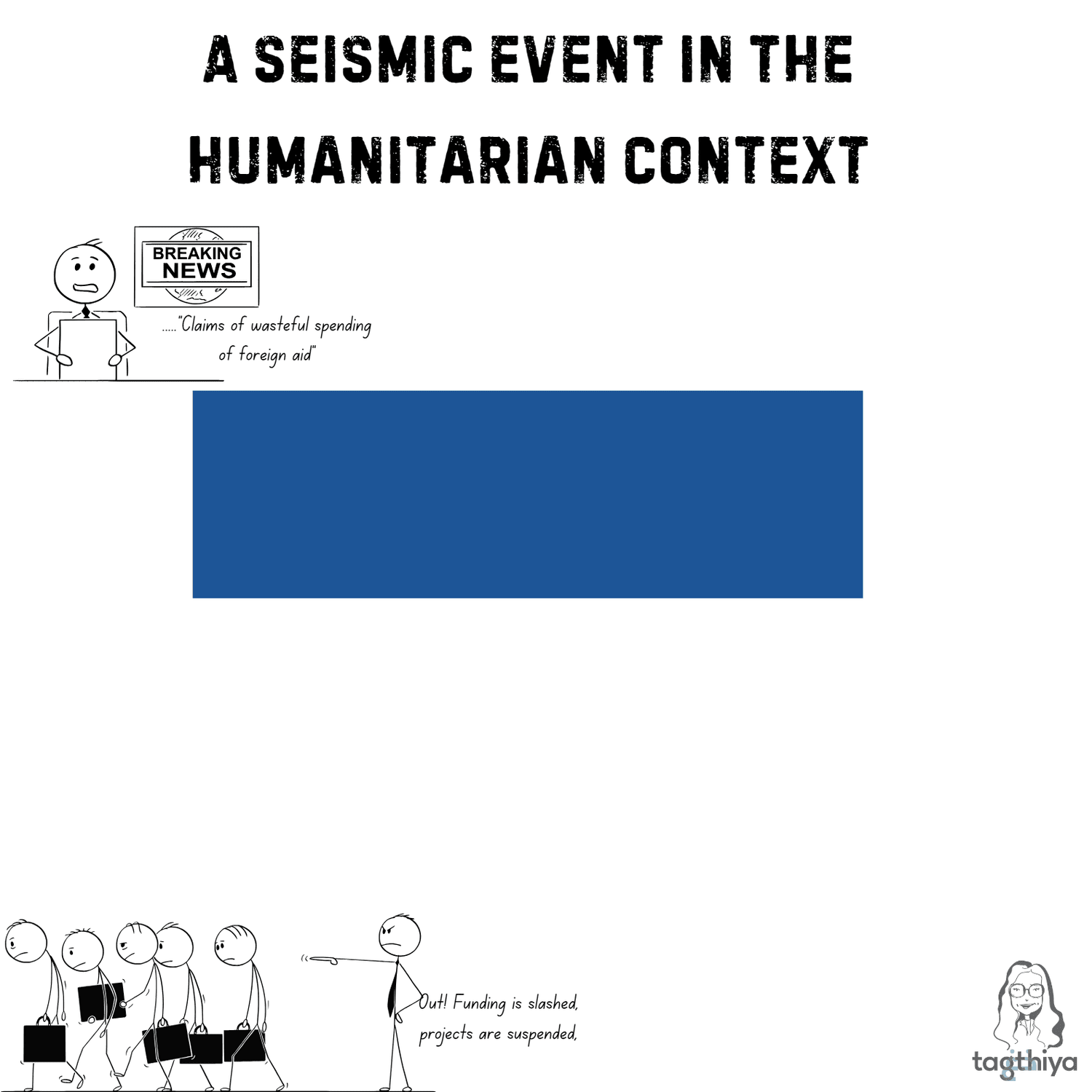
A seismic event in the humanitarian context
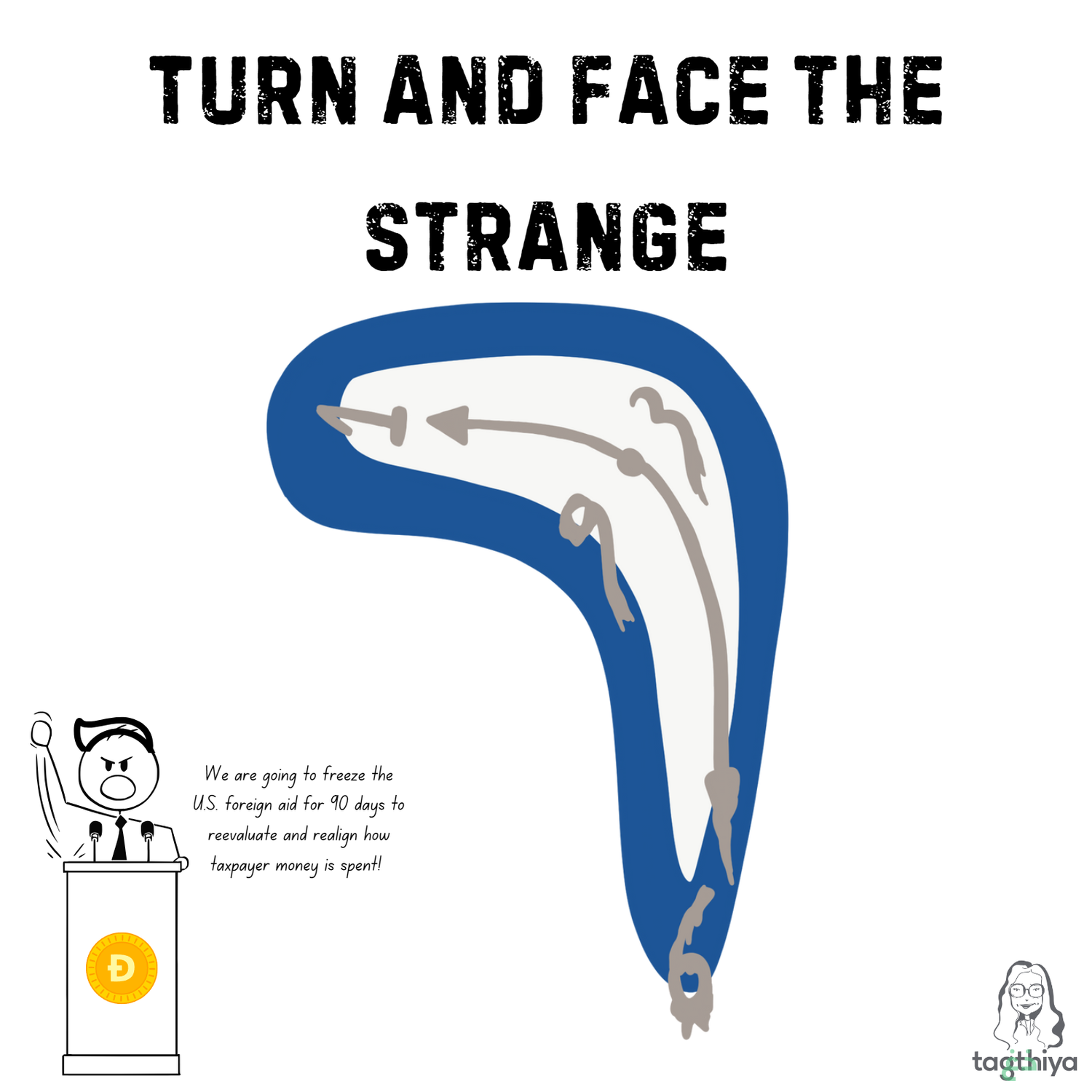
We are living in a volatile time, where tens of thousands of workers outside the U.S. federal government—and millions worldwide who rely on U.S. funding—have been impacted by cuts to foreign aid.
The U.S. Agency for International Development (USAID) is the U.S. government’s primary development agency, working in about 130 countries to alleviate poverty, disease, and humanitarian need.
Seventy of the world’s 77 low-income and lower-middle income countries receive USAID assistance with 40% of its funds allocated for Europe and Eurasia. Other top recipients of USAID funds include Ethiopia, Jordan, DRC, Somalia, Yemen, etc.
The agency overseeing much of U.S. foreign aid is USAID which had approximately a budget of $63 billion in fiscal year 2023. The reality is that less than 1 percent of the annual US budget is directed toward development priorities abroad.
This will no doubt undermine global stability and abandon the world’s poorest and most marginalized people. The $40m USAID in a year could actually save the lives of more than 20 million children with severe malaria, or treat a million severely nourished children, and much more.
Unfortunately, leaders in the public health field are being abruptly laid off, aid is not flowing and partnerships are evaporating...
People are divided on the issue—some argue that forcing countries to stand on their own will promote self-sufficiency, while others fear the consequences of sudden aid cuts.
Regardless of where one stands, the unpredictability of Trump’s administration should prompt leaders in low- to middle-income countries to reassess their relationship with the U.S. and consider pragmatic strategies for securing large-scale funding for productive infrastructure.

“Ta ذغ iya” by Sarah Zahr
It is unfortunate that citizens in low- to middle-income countries who rely on foreign aid will remain at the mercy of political volatility abroad if their dependence on aid persists.
So what can we do? Support those who lost their jobs, strengthen autonomy, and advocate for evidence-informed policies that prioritize long-term resilience over dependency.
And what’s next? Every crisis presents an opportunity. While the immediate future may well appear bleak, we should hold onto the belief that people still want to make a difference and support one another.
Sources
- Move freeze foreign aid international Harvard Kennedy School