
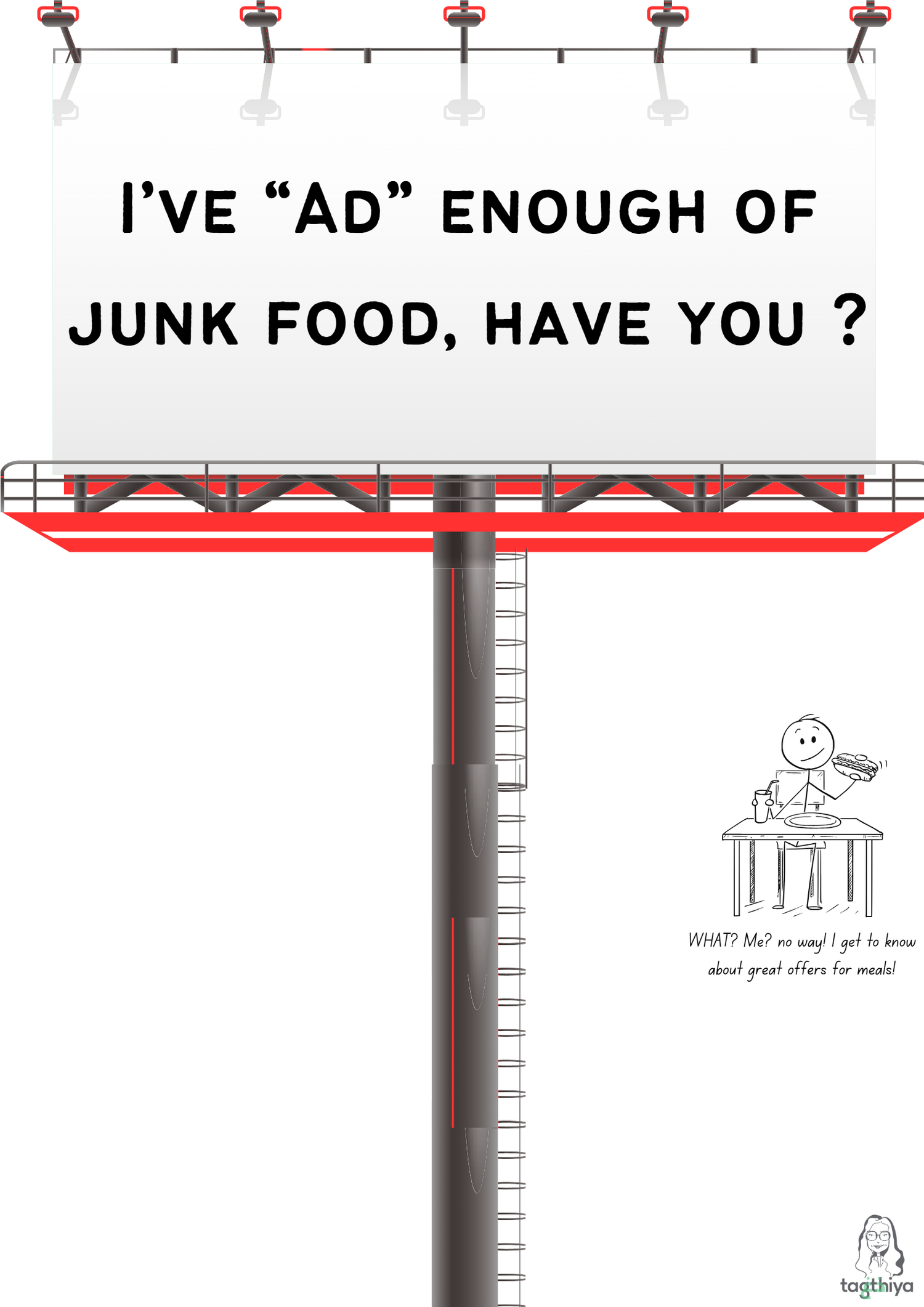
I've Ad Enough of Junk Food, Have You?
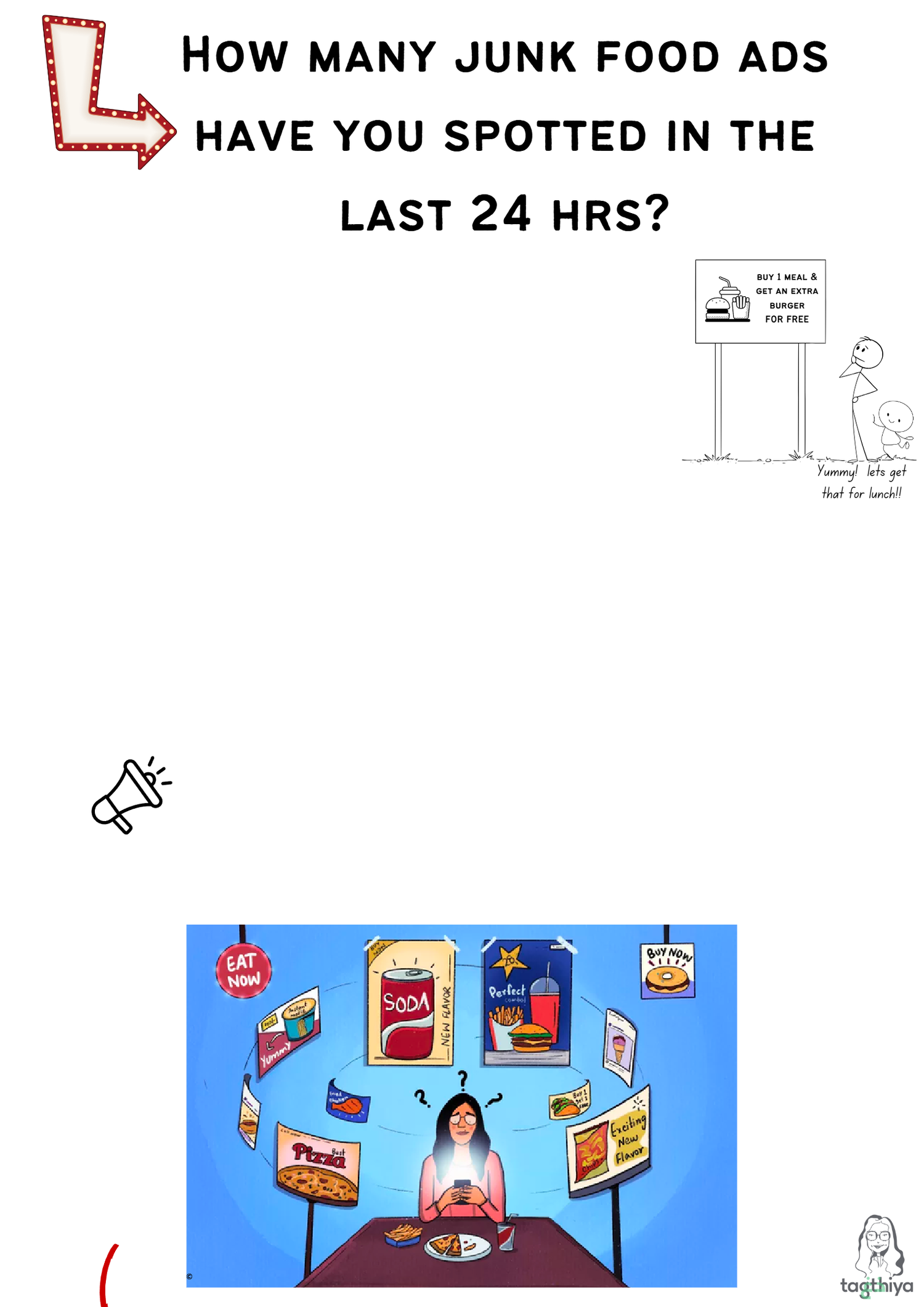
How many junk food ads have you spotted in the last 24 hrs?
It's hard to go anywhere these days without being bombarded by ads for unhealthy food. Drive down any major street or highway and you'll see gigantic billboards advertising chips, burgers, fries, and other energy-dense and nutrient-deficit food. Similarly, walk inside a supermarket and you’ll see junk food flooded everywhere. But this comes at what cost?
Junk food advertisements are designed to capture attention, stimulate cravings, and ultimately drive sales. They often feature images of cartoon characters that are especially attractive to children. Children are now conditioned that unhealthy food will make them happy.
Wasfa Kamal
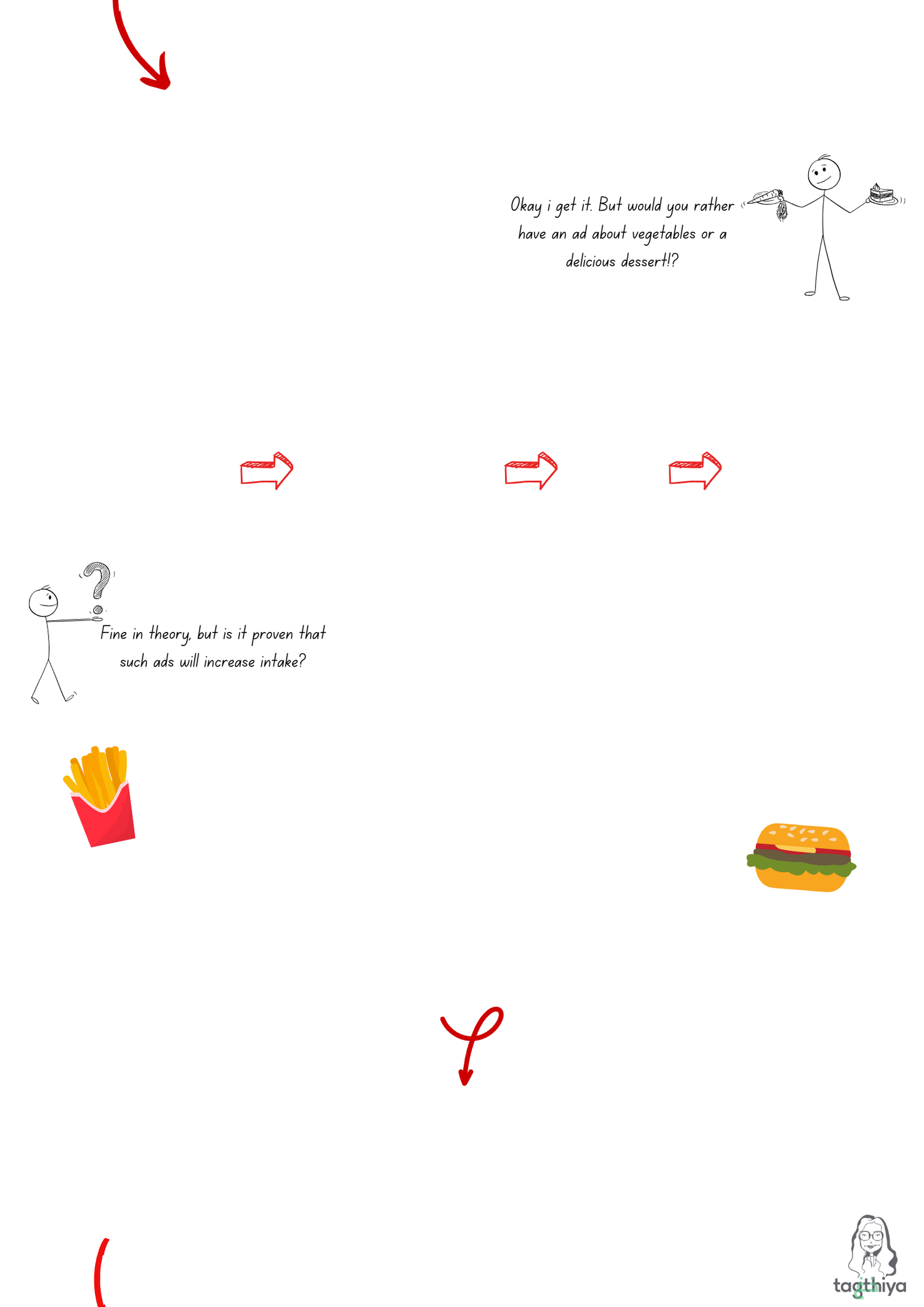
Marketers invest significantly to captivate children's attention through compelling and persuasive strategies.
The science is clear:
Increased risk of non- communicable diseases
Marketing of food high in fat, sugar and salt (HFSS)
Increased consumption of HFSS
Weight gain
A recent study showed that preference for McDonald’s, KFC, and Subway was highest when exposed to general fast food marketing ≥ 2x/week compared to never.
Ignoring the impact of marketing on children's and adolescents' food practices and nutrition is becoming dangerous.
As such, policies to limit the exposure of children to such marketing is needed in order to protect and promote public health.
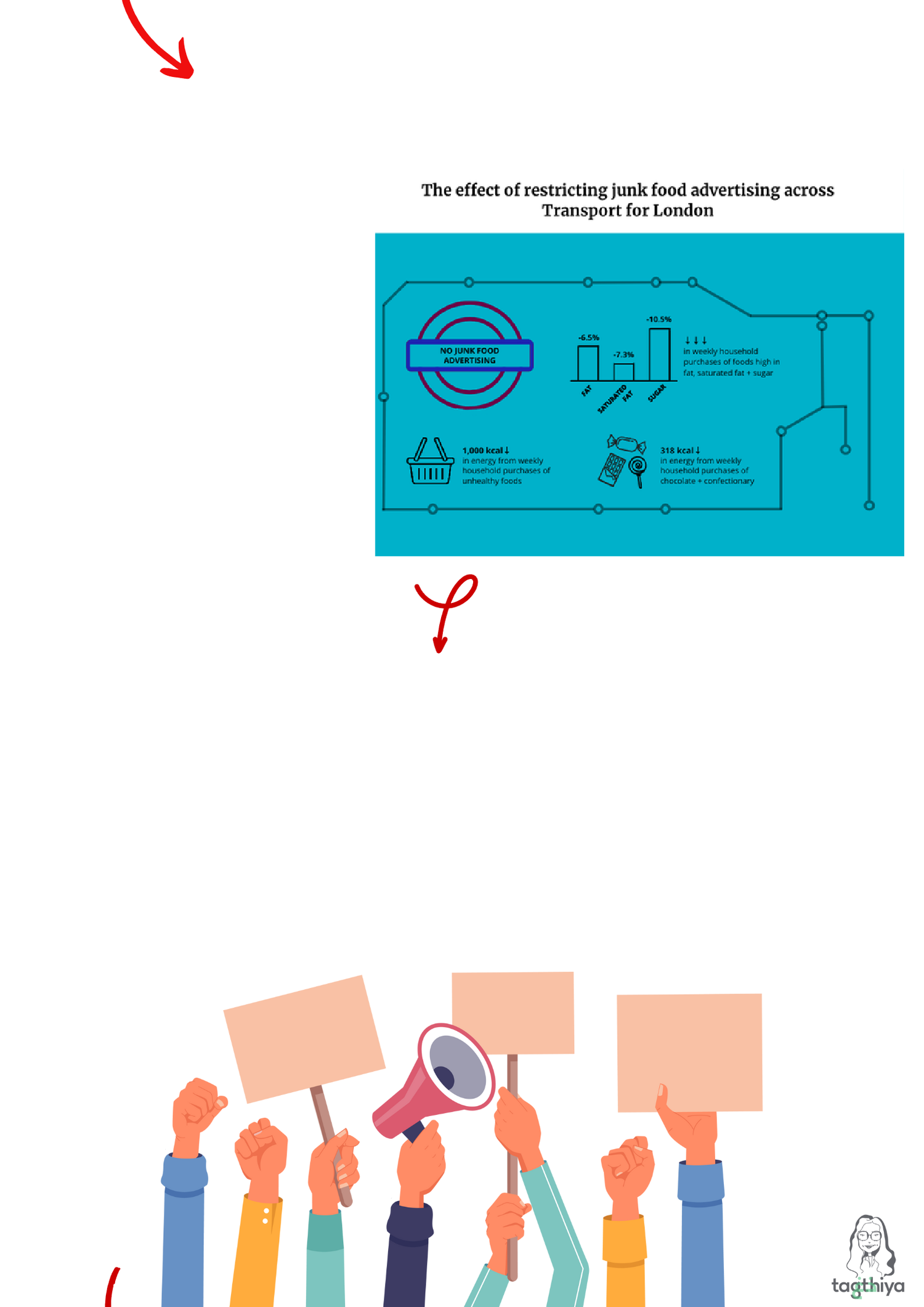
Several countries have explored the effect of restricting unhealthy food advertising on the streets or in supermarkets through a variety of campaigns and policy measures.
For example, in London restricting junk food advertising across Transport contributed to a decrease in weekly household purchases of HFSS along with reduced caloric intake by 1000 kcal from weekly household purchases of such food.
In the UK, young activists are also spearheading a movement through BiteBack2030, a youth-led initiative challenging the current food system and its manipulative marketing practices
They engage in campaigns like "Biting Back at Junk Food Ads," aiming to halt the pervasive advertising of unhealthy foods that target young people, thereby protecting them from the undue influence of junk food marketing.
We’ve #AdEnough
Give peas a chance!
“Fuel us don’t fool us!”
Bite Back, 2023

“Ta ذغ iya” by Sarah Zahr
Another example is from Norway. Norway is set to implement a groundbreaking ban on advertising unhealthy food and beverages targeted at individuals under 18, starting next year.
This legislative move, aimed at prioritizing children's health over market interests, is a global first and was supported by the majority in Norway's parliament.
Sources
- Amy Yau et al., (2022). Changes in household food and drink purchases following restrictions on the advertisement of high fat, salt, and sugar products across the Transport for London network: A controlled interrupted time series analysis. PLOS Medicine. DOI: 10.1371/journal.pmed.1003915
- Bagnato, M., Roy-Gagnon, M. H., Vanderlee, L., Hammond, D., & Kent, M. P. (2023). The impact of fast food marketing on brand preferences and fast food intake of youth aged 10-17 across six countries.
- World Health Organization. (2023). Setting the standard for regulating food and non-alcoholic beverage marketing to children and adolescents. Apps.who.int apps.who.int