
Do You Prefer Parking or a Park? Autobesity and Healthy Cities
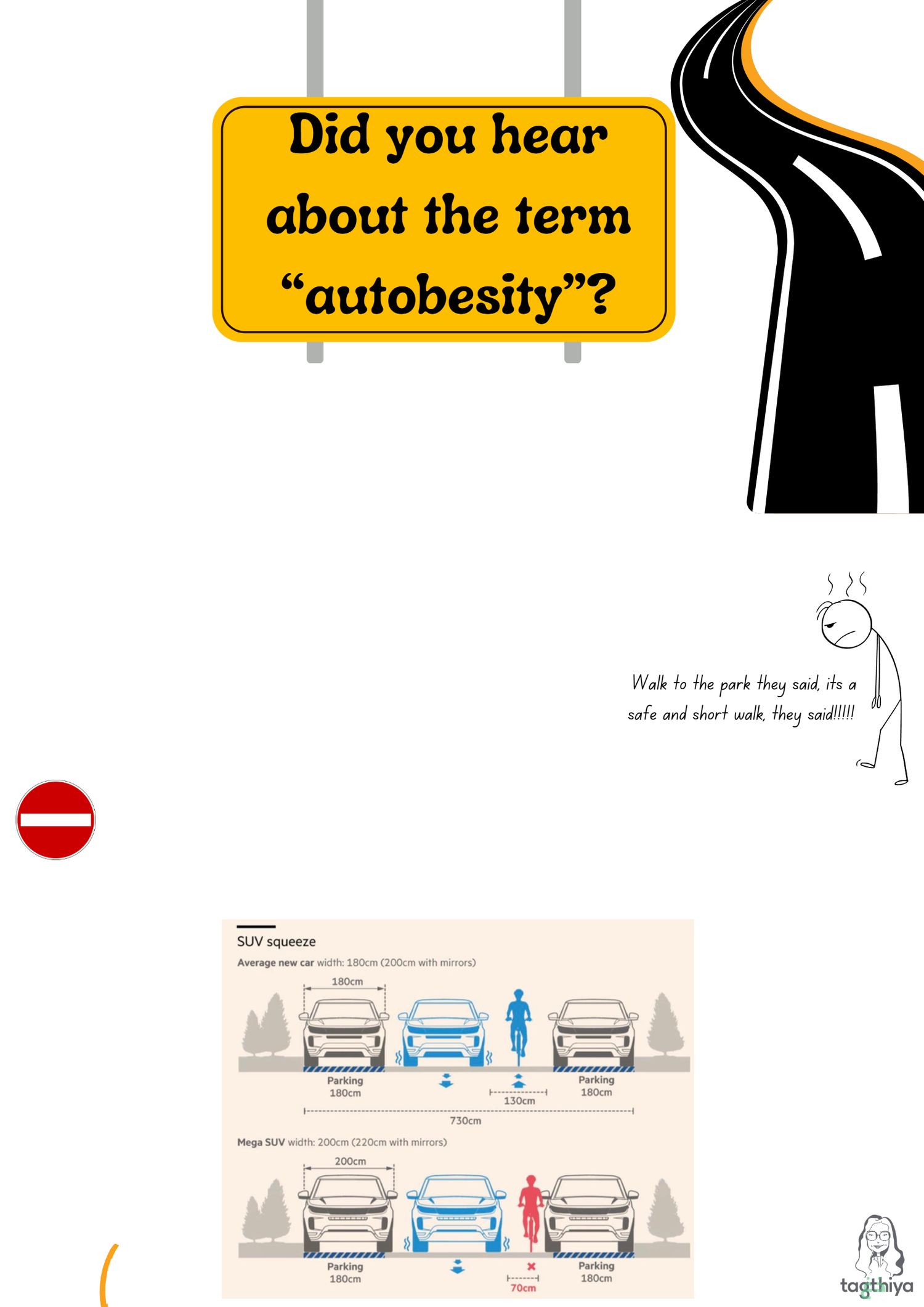
Did you hear about the term “autobesity”?
"Why are cars getting so huge these days?" It's a common complaint among city dwellers as they navigate crowded streets and struggle to find parking spots. The phenomenon is known as "autobesity" - the trend of increasing vehicle size, particularly in urban areas.
But "doesn't bigger mean safer?" some might argue. The convenience and perceived safety of these vehicles might be appealing to some, but their impact on urban environments, public health, and safety is becoming a cause for concern.
The Guardian, 2024.
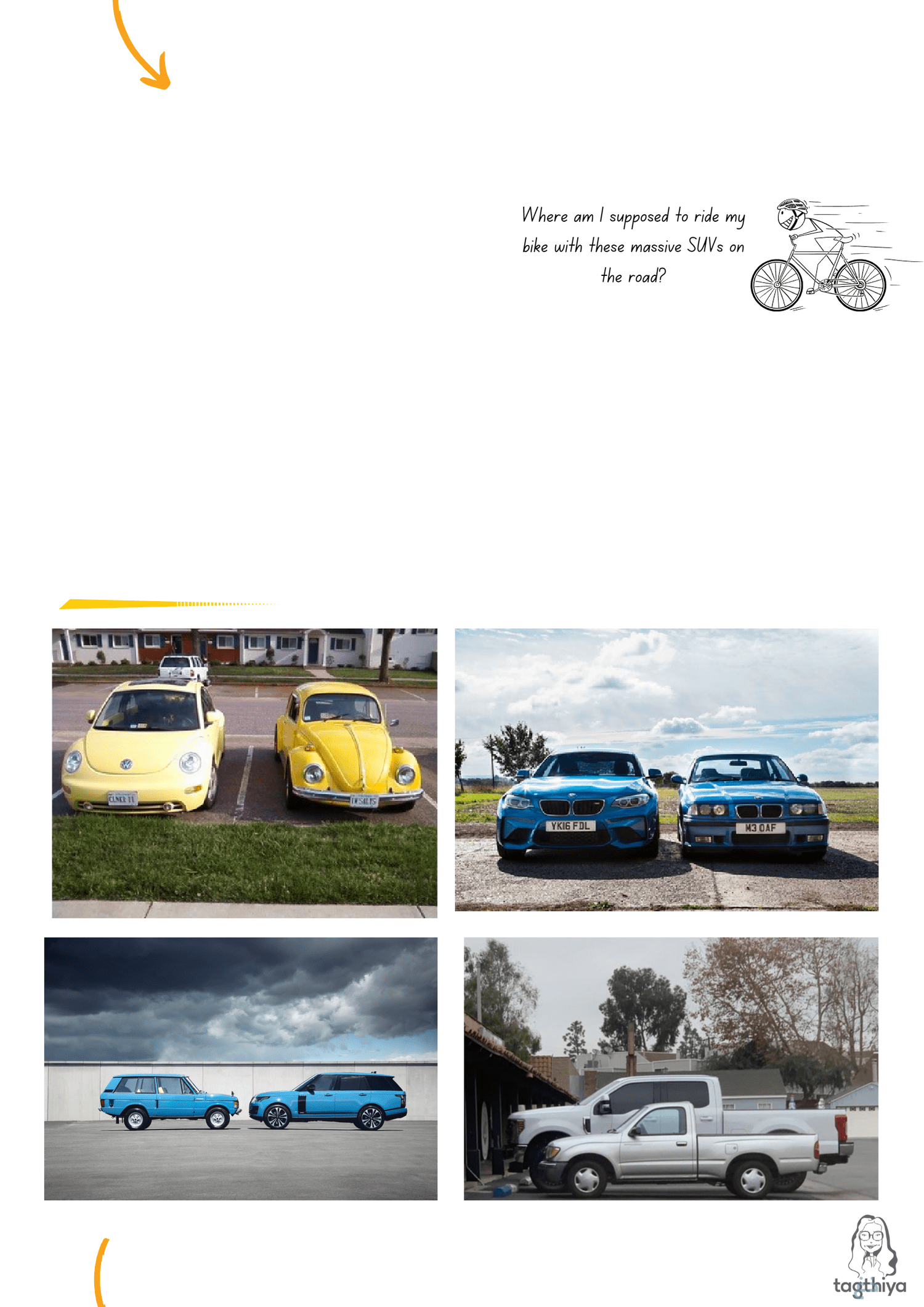
'”New cars have become so bloated that half of them are too wide to fit in parking spaces designed to the minimum on-street standards in many countries” - The Guardian
The increasing size of vehicles is 1) contributing to urban congestion and 2) reducing space for other modes of transport, such as walking and cycling. 3) Larger cars also consume more energy and 4) emit more pollutants, including tire and brake particles, exacerbating air quality problems even in the case of electric vehicles.
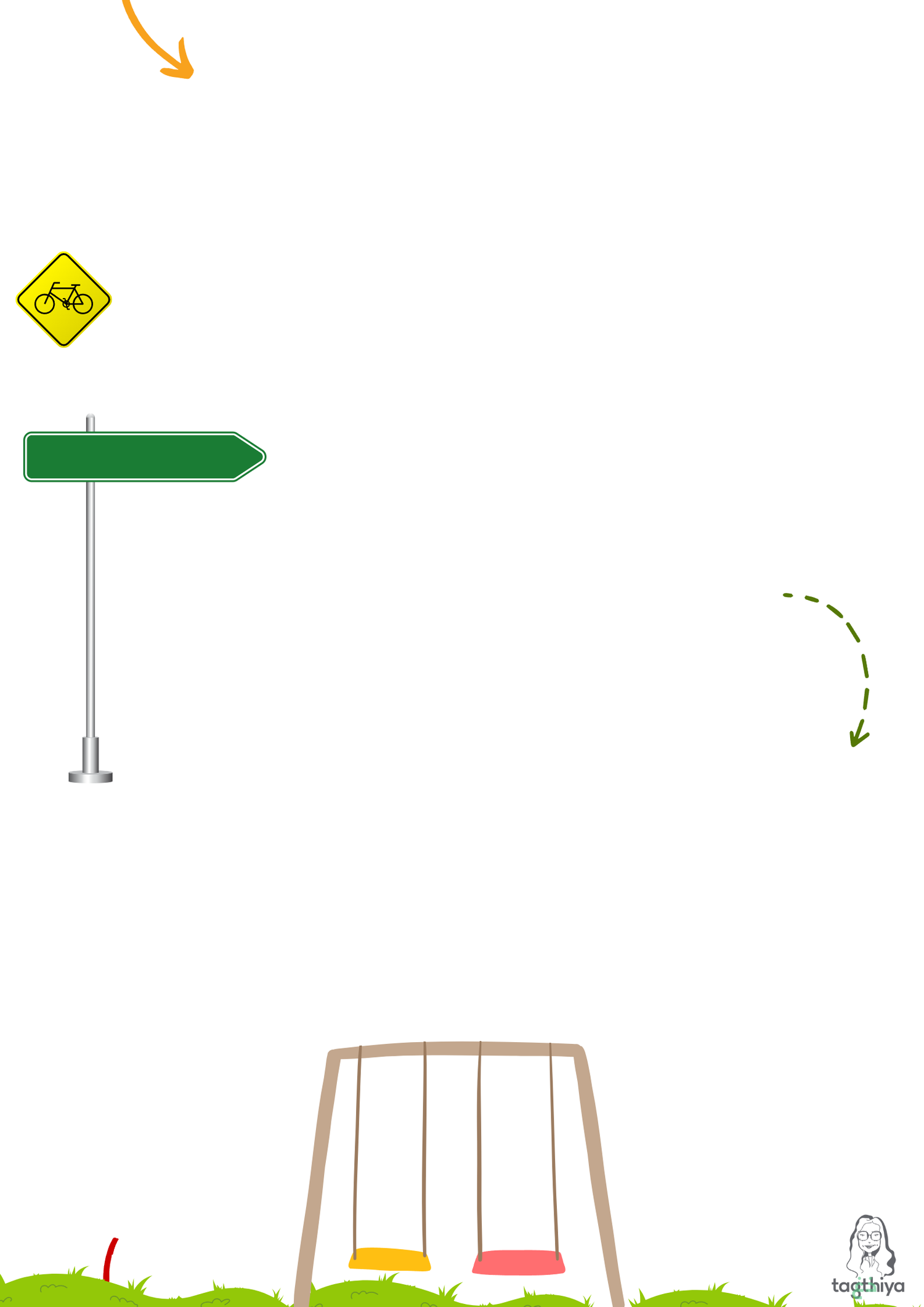
Below are some real-life examples:
Pictures from Cycling Professor, 2023
But it's not just about the environment. Autobesity is also impacting the design of our cities and the mental health of residents.
A new concept called the 15-minute city is gaining traction. It could be one of the ways to decrease reliance on cars.
15-minute city
It is a concept which aims to give people access to all daily needs from work. food, education, culture and leisure within a 15 minute bike or walk from their home.
This concept alone could cut emissions by 23-26% by 2050 compared to traditional urban development approaches.
Several countries in Europe are trying to create healthier cities.
For example, Amsterdam started in June 2023 a 6-week transition experiment that reclaims a car-dominated street as a public space. They termed it as “ we are not cutting roads, we. are stitching neighborhoods”.

“Ta ذغ iya” by Sarah Zahr
Electric Cars Walking, cycling, public transport
Adapted from Cycling Professor, 2023
A kind reminder that we are in need of more parks, healthier cities and fewer cars
Sources
- Cozzi, L., Petropoulos, A., Paoli, L., Huismans, M., & Dasgupta, A. (2023, February 27). As their sales continue to rise, SUVs’ global CO2 emissions are nearing 1 billion tonnes. International Energy Agency. 1-billion-tonnes As their sales continue to rise suvs global co2 emissions are nearing International Energy Agency
- The Guardian. (2024, January 22). SUVs Drive trend for new cars to grow 1cm wider in UK and EU every two years-report. Cars growing wider europe report The Guardian, 2024
- Adapted content from the “Cycling Professor”