
Your Food, Their Choice: Online Food Delivery Apps
The growing interest in the online food delivery industry
The popularity of food delivery services like Uber Eats, Deliveroo and DoorDash has skyrocketed in recent years. While these apps make it easy to get any type of cuisine delivered straight to your door with just a few taps, their convenience may come at a cost.
The online food delivery (OFD) sector has witnessed exponential growth, with global revenue having surpassed USD 1 trillion in 2023 . Despite its popularity, there's evidence suggesting that OFD can contribute to unhealthy dietary patterns.
Advertising works and that’s why big food companies spend millions on it. The longer such platforms can keep you and your children engaged through any means possible, the longer they’re able to sell your attention to third-party companies wanting to make a sale.

Your attention Their product
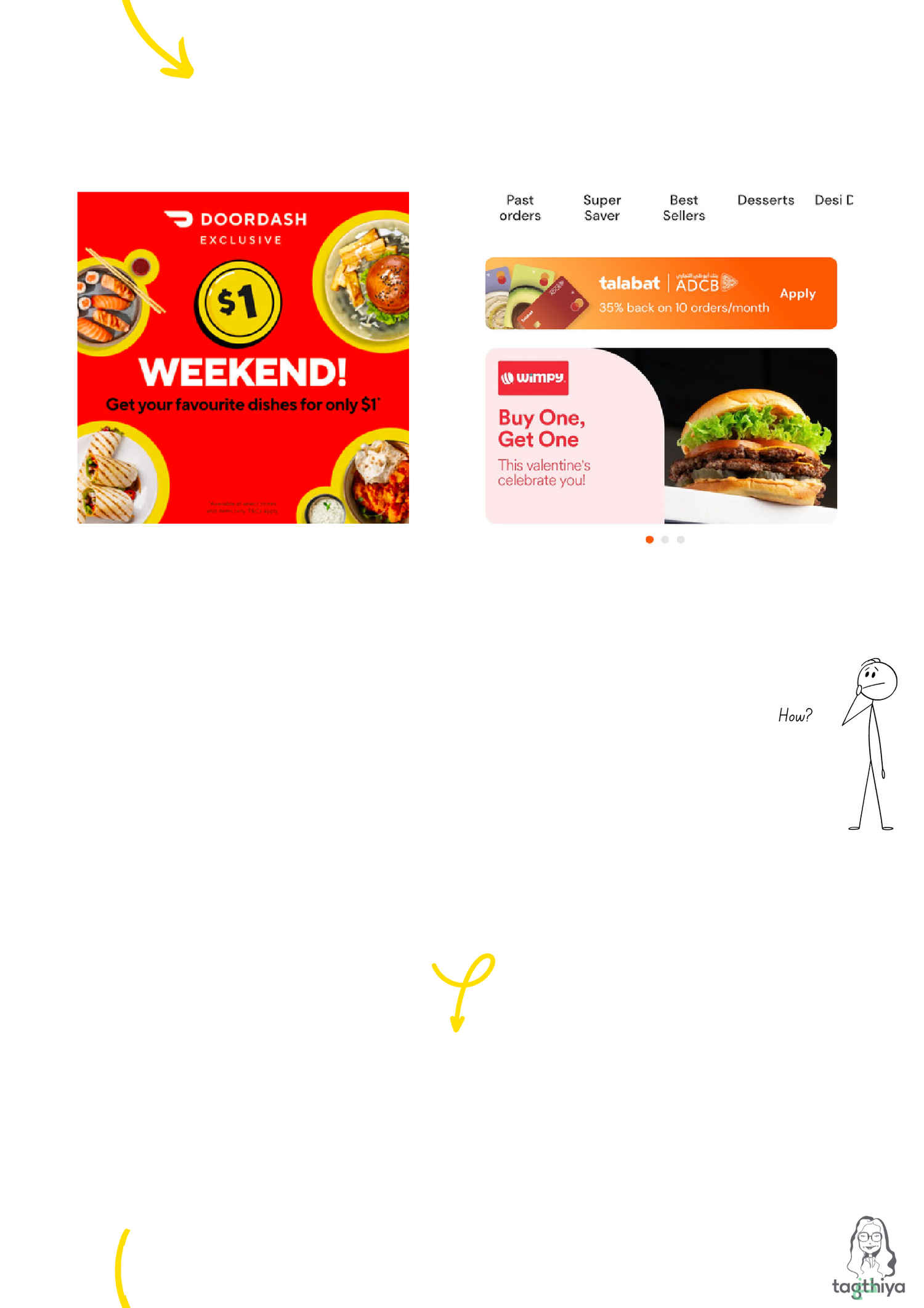
While we seemingly make our own choices about what to eat, these decisions are heavily shaped by promotions, discounts, and the strategic visibility of certain foods on these platforms.
Let’s review briefly how OFD industry works
The OFD industry connects customers with a wide range of restaurants through platforms like Uber Eats. These platforms act as intermediaries, allowing restaurants to offer their food for delivery or pickup for a fee, which is usually a percentage of the order.
Restaurants can also pay extra for better visibility on these platforms. They're in charge of listing their menu, prices, and tags (like 'vegetarian'). The availability of nutritional information is up to the restaurant.
When customers use these platforms, the selection of available restaurants is influenced by their location, the restaurant's operating hours, and the availability of delivery drivers. These platforms then personalize the offerings using algorithms based on marketing arrangements.
Now the ease of access to food prepared away from home, often linked with poorer diet quality, raises public health concerns.
What can be done about it?
OFD services can have the potential to become platforms for promoting healthier eating.
By adopting recommended nutrition-related practices, such as providing detailed nutrition information, prioritizing the visibility of healthier options, and incentivizing restaurants to offer healthier foods.
While voluntary actions by OFD companies are essential, government regulation might be necessary to ensure a level playing field and promote a healthful online food environment. Such regulations could include mandatory nutrition labeling and restrictions on marketing unhealthy foods, especially to children.

The market: “Ta ذغ iya” by Sarah Zahr
Jindarattanaporn, N., Suya, I., Lorenzetti, L., Kantachuvesiri, S., & Thamarangsi, T. (2023). Nutritional Content of Popular Menu Items from Online Food Delivery Applications in Bangkok, Thailand: Are They Healthy?. International Journal of Environmental Research and Public Health, 20(5), 3992.
Partridge, S. R., Gibson, A. A., Roy, R., Malloy, J. A., Raeside, R., Jia, S. S., ... & Redfern, J. (2020). Junk food on demand: a cross-sectional analysis of the nutritional quality of popular online food delivery outlets in Australia and New Zealand. Nutrients, 12(10), 3107.
Vanderlee, L., & Sacks, G. (2023). Recommended nutrition-related practices for online food delivery companies. Public Health Nutrition, 26(12), 3343-3348.