
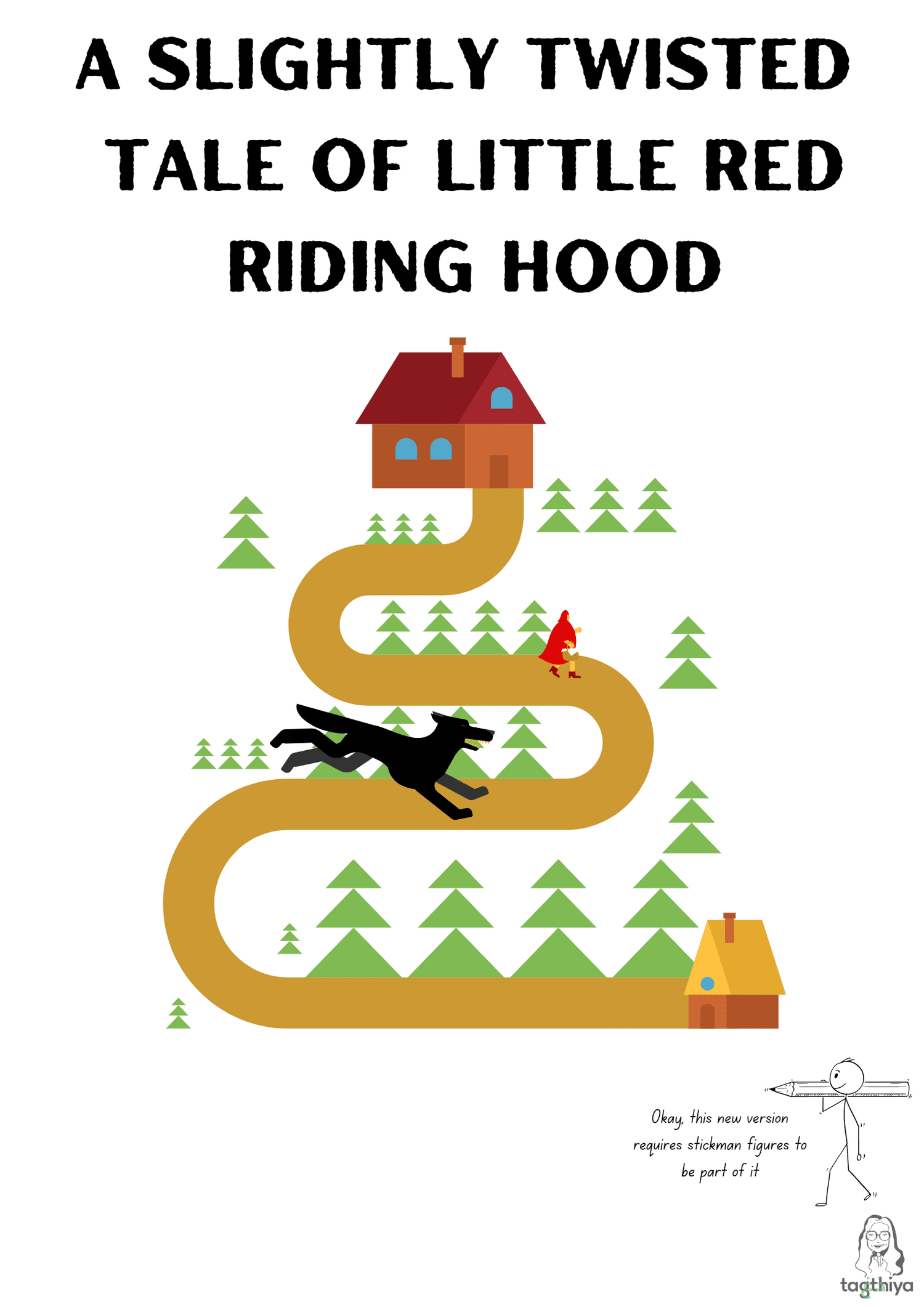
A Slightly Twisted Tale of Little Red Riding Hood
Well-disguised tactics by big food companies
In the original tale of Little Red Riding Hood, a young girl goes to deliver a basket of goodies to her sick grandmother's house in the forest. Along the way, she encounters a wolf, who tricks her into revealing her destination. The wolf races ahead and disguises himself as the grandmother. When Little Red Riding Hood arrives, she thinks her grandmother looks strange, but the wolf lures her.
Who’s in disguise and who’s lying nowadays?
Much like the wolf, big food companies remain ever-hungry for a slice of the pie—that is, ever-greater profits—and will go to any lengths to achieve more.
Big food companies are facing restrictions in various countries, including the UK, Norway, and Mexico, on advertising junk food.
BUT , guess what?
Despite these efforts, these corporations continuously identify and exploit loopholes , allowing them to get away with advertising foods high in fat, salt, and sugar to children.
Big food companies have masterfully crafted their advertising strategies to captivate the youngest audience, employing tactics that are both aggressive and subtly manipulative.
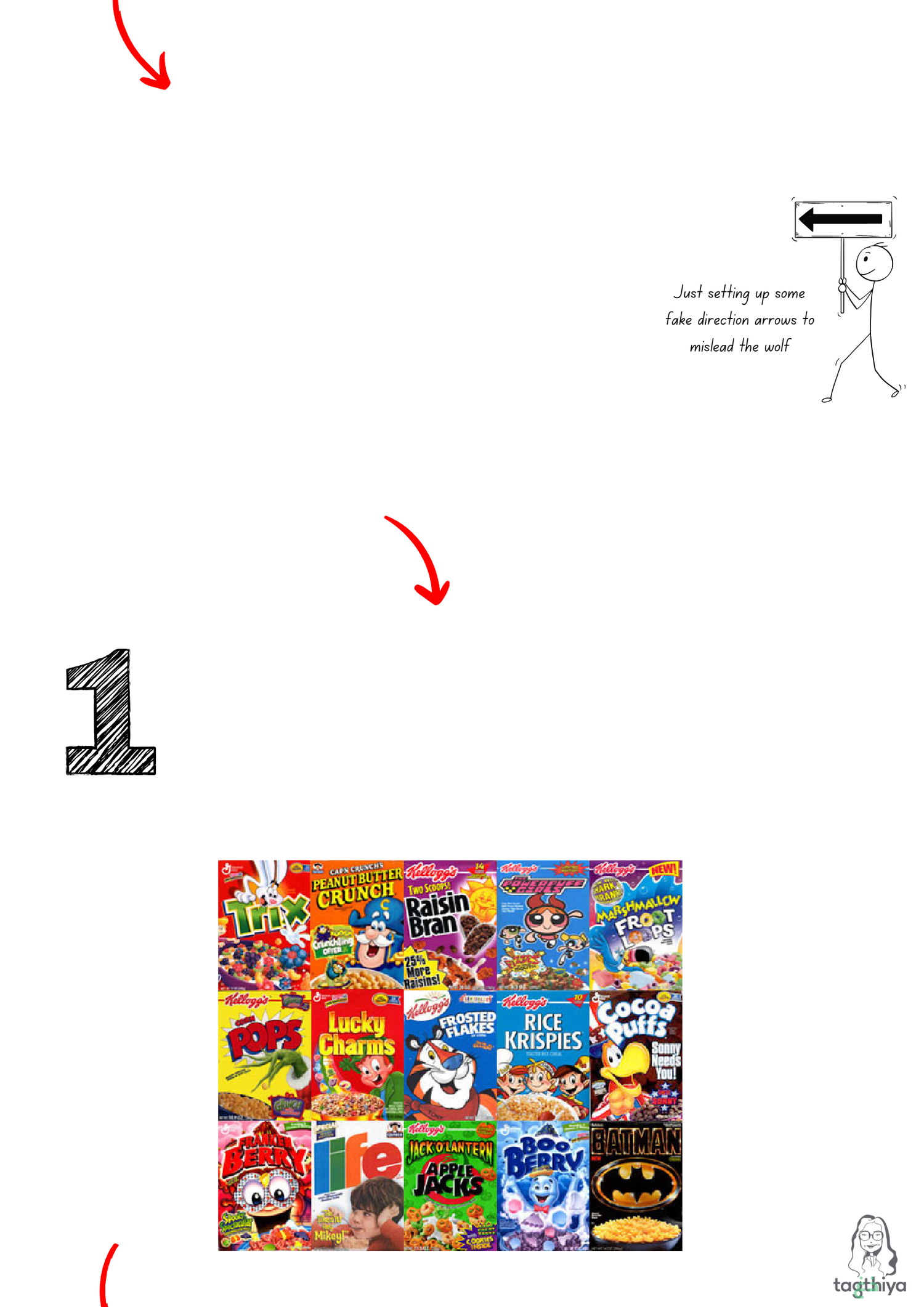
In supermarkets, the aggressive tactics continue on young minds with the clever use of beloved cartoon characters and mascots adorning packaging, transforming ordinary grocery aisles into pathways filled with familiar faces. These characters, often associated with fun and happiness, are used to market foods high in sugar, fat, and salt, making them irresistible to children.
mattbowker
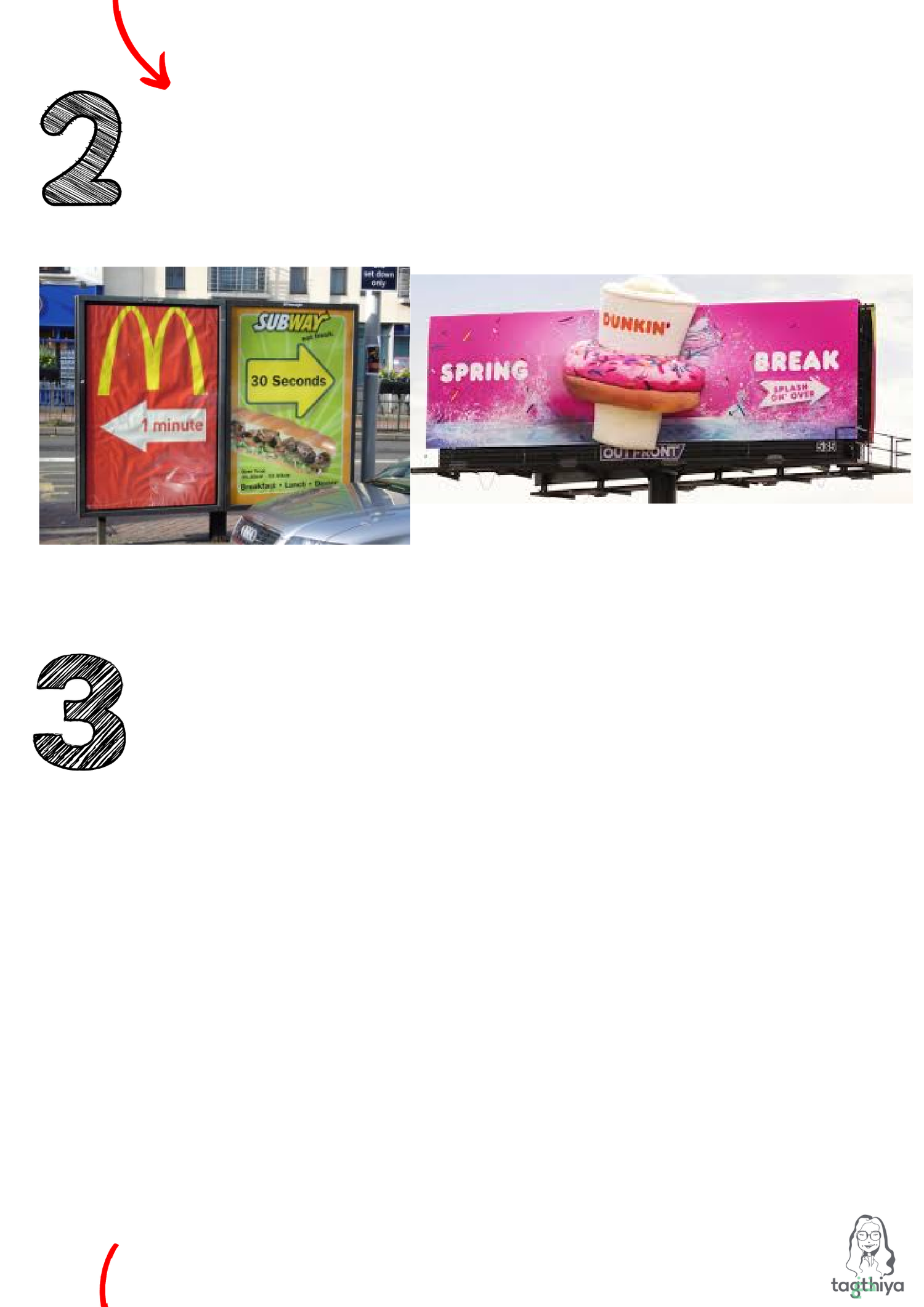
On billboards, vibrant and larger-than-life advertisements are strategically placed sometimes near school areas to grab the attention of students.
These companies use engaging content, gamification, and influencer partnerships on social media to weave their products into the fabric of children’s online experiences. The use of hashtags, challenges, and shareable content encourages children to not only be viewers but also promoters of these unhealthy foods among their peers, amplifying the reach and impact of these advertising strategies.
Who’s fault is it as well?
Government officials didn't pay enough attention in school and missed the part about the wolf dressing up as the grandma, because they've fallen for the sneaky tricks of big food companies.
How does the story end?
“Ta ذغ iya” by Sarah Zahr
In the Brothers Grimm version of Little Red Riding Hood, a hunter arrives and cuts open the wolf, saving the girl and her grandmother. In this case, who will be the rescuer?
Time to take down the bad wolf.
Sources
- Global Health Advocacy Incubator (GHAI) - Campaign for Tobacco-Free Kids (CTFK). Marketing Exposed: A Global Public Health Threat for Food Policy. November, 2022.
- UNICEF. (2022). Key barriers to food marketing regulation. Retrieved from Global Food Marketing Survey Report UNICEF