
Nobody Eats Sugar or Fat With a Spoon: A Short History of Ultra-Processed Food


But what we eat is the processing
Nobody eats sugar, salt, and fat from a bowl on the table. But we eat them every day, once they’ve been processed.
Processing food isn’t something new
Humans have processed food for millennia: grinding grains f ermenting milk drying fruits preserving food to survive scarcity (especially during war)
For most of history, processing was about making food edible, safe, or available.
But in the late 19th and early 20th centuries, processing took on a new role.
Food producers focused more on: scal ability shelf stability profit and “repeated” consumption
By the turn of the 20th century, food began shifting decisively from kitchens to factories.
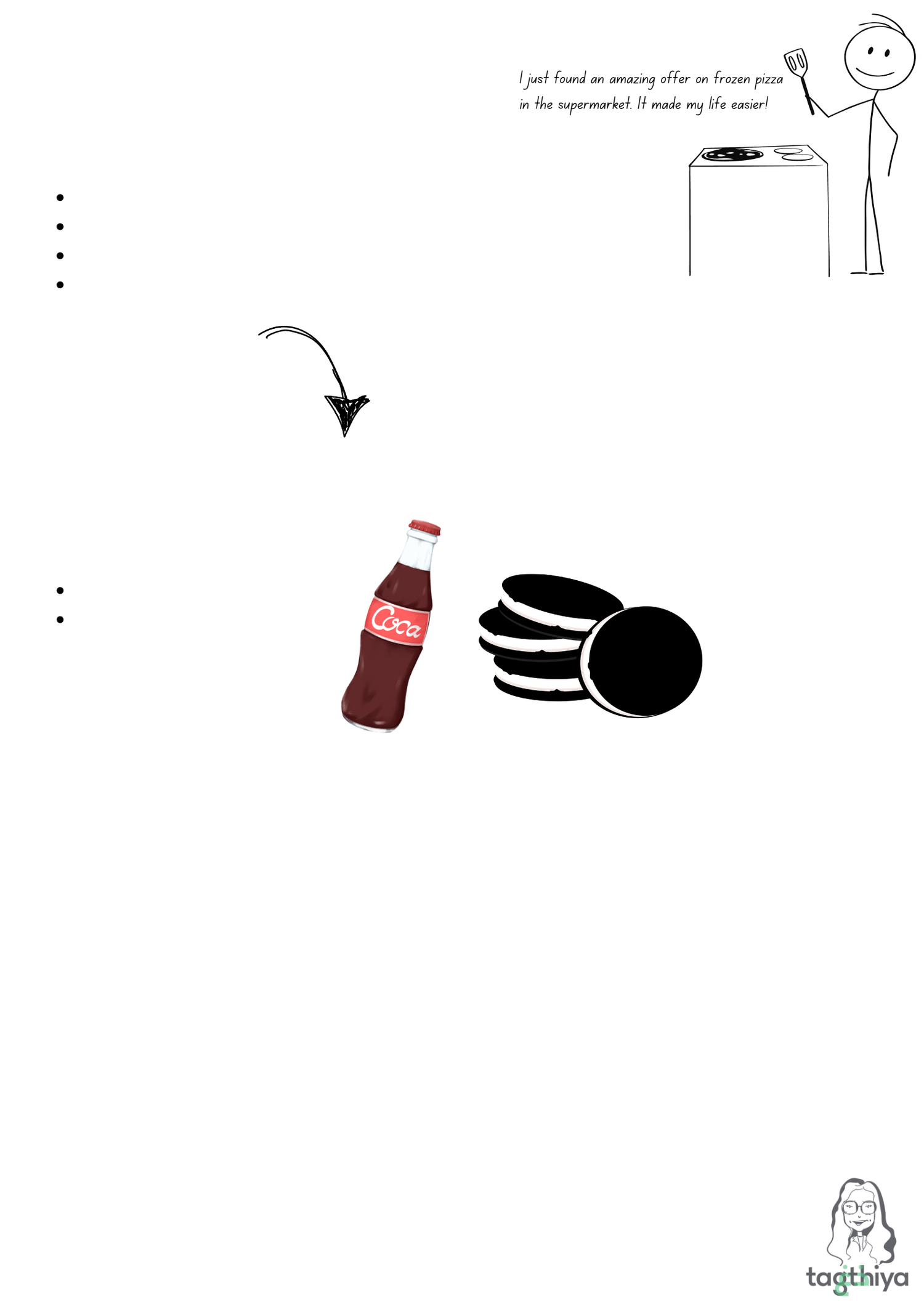
Products like: Coca-Cola (1886) Oreo (1912)
were not just foods, they were technological achievements for food industries
They were shelf-stable, cheap to produce, easy to transport, and easy to consume.
This marked the rise of what researchers now call ultra-processed foods, which are industrial formulations made mostly from substances extracted or derived from foods, plus additives, designed to be hyper-palatable and convenient.

Nobody also eats soy lecithin, maltodextrin, or flavor enhancers at home But these ingredients are essential to ultra-processed foods.
They exist to stabilize textures, intensify flavor and extend shelf life.
Marketing of ultra-processed foods played a big role in their increased consumption.
Food companies marketed ultra-processed foods as convenient alternatives, brands people can trust, and brands that bring them joy.
For children, the line between advertising and entertainment disappeared. Cartoon characters blended into the marketing of such products.
Decades of evidence show that food marketing to children: increases preference for advertised foods increases purchase requests increases consumption of energy-dense, nutrient-poor products
This isn’t a coincidence, as major tobacco companies, including Philip Morris and R.J. Reynolds, entered and dominated large segments of the food industry in the late 20th century.

“Ta ذغ iya” by Sarah Zahr
The tobacco industry brought with them their famous playbook of habit formation, target ing vulnerable populations, framing consumption as choice, and delaying regulations through voluntary pledges.
As ultra-processed foods became cheaper, more available, and aggressively marketed, the rates of obesity and diet-related diseases rose globally.
The problem isn’t individual choice; it’s food environments designed to make this the default outcome.
Sources
- Ultraprocessed food junk history The New York Times, 2025
- Monteiro, C. A., Cannon, G., Levy, R. B., Moubarac, J. C., Louzada, M. L., Rauber, F., ... & Jaime, P. C. (2019). Ultra-processed foods: what they are and how to identify them. Public health nutrition, 22(5), 936-941.